



Are dental implants right for you? An honest East Midlands guide before you commit
For many people missing teeth, dental implants are the closest thing to getting natural teeth back, because they replace the root as well as the crown. But they aren't right for everyone. As of June 2026, at Natural Smiles across Corby and Wigston, the answer comes down to your bone, your gums, and your health.
So let's work through it honestly, before anyone talks about booking.
What an implant really is, and why the root matters
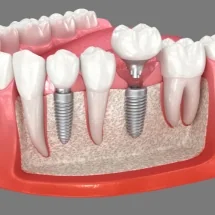
An implant is a small titanium post placed in the jaw that acts as an artificial tooth root. A crown, bridge, or full set of teeth then attaches on top.
That root part is the bit people overlook, and it's the whole point. When you lose a tooth, the jawbone underneath slowly shrinks, because nothing is stimulating it any more. Over time, that can change the shape of your face and loosen neighboring teeth. An implant keeps that bone working, which a denture resting on the gums simply can't
That's why implants are about more than filling a gap. They protect what's still there.
The honest checklist: who tends to be a good candidate
Most healthy adults are suitable. Still, a few things genuinely affect whether implants are the right call, and a good clinician will be straight with you about them.
You're generally a strong candidate if:
- You're missing one or more teeth and want a fixed, long-term solution
- Your gums are healthy, or any gum disease has been treated and stabilized; enough jawbone, oryou'ree open to a graft to rebuild it
- Youdon'tt smoke, oryou'ree willing to stop, as smoking lowers success rates
- You're committed to regular cleaning and check-ups afterwards
This is why we take a closer look first: uncontrolled diabetes, heavy smoking, untreated gum disease, or having lost bone height after years without a tooth. None of these are automaticno'ss.
They're reasons to assess carefully, and sometimes to treat the groundwork before placing anything.
Implants vs the alternatives
Implantsaren'tt the only way to replace teeth, and the right choice depends on your situation. Here's how the main options compare.
Dental implants replace the root and the missing tooth, helping protect the jawbone. Theydon'tt affect neighboring teeth and feel fixed in place. With proper care, they can last for decades. The rough UK cost is £2,000 to £3,000 per tooth.
Dental bridges replace the visible tooth but do not replace the root or protect the jawbone. They often require trimming neighboring teeth to anchor the bridge. Bridges feel fixed and typically last around 10 to 15 years. The rough UK cost is £500 to £1,200.
Dentures do not replace the root or protect the jawbone, and they do not affect neighboring teeth. Unlike implants and bridges, dentures are removable. They typically last around 5 to 8 years, with a rough UK cost of £300 to £1,500+.
These are general UK price ranges intended to set expectations, not a quote for you. The cost of your treatment depends on how many teeth are involved and whether you need any preparatory work. You can review thepractice'ss fees and confirm the exact cost at a consultation.
When a whole arch is the question: All-on-4
What if you're missing most or all of your teeth, or facing the loss of a failing set? Replacing them one implant per tooth would be a lot. This is where All-on-4 comes in.
All-on-4 supports a full arch of fixed teeth on just four carefully placed implants. Because the back implants are angled to make the most of the bone you have, many people who were told they didn't have enough bone for individual implants can still be candidates. It's a fixed set of teeth, not a plate you take out at night, and for the right personit'ss a genuine change to daily life, eating, speaking and smiling without a second thought.
It'sa bigger decision than a single implant, which is exactly why an honest assessment matters before you commit.
Why the assessment is the part that counts
Here's the thing about implants: success is decided long before the implant goes in. It'ss decided at the planning stage.
The Natural Smiles team works to a careful, minimally invasive philosophy, and that mindset suits implant planning well. Dr Anmol Bal at the Wigston site, registered with the GDC under number 278697, sums up the wider practice approach: high-quality, painless dentistry in a calm and caring environment, with eachpatient'ss concerns genuinely heard. A consultation involves examining your gums and bone, talking through your health and habits, and giving you a clear, realistic picture, including when implants might not be the best route for you. You can see examples of finished work on the smile transformations gallery, and read more about the wider Natural Smiles team across both sites.
How long does the whole process take?
It's a fair question, because implants aren't an overnight fix. From the first consultation, a straightforward single implant often runs over three to six months, most of which is simply waiting for the implant to fuse with the bone, a process called osseointegration. You're not left with a visible gap the whole time; a temporary solution usually bridges it.
More involved cases, such as those needing bone grafting first, take longer, while modern same-day approaches like All-on-4 can fit a fixed set of teeth much sooner. The exact timeline depends on your bone, your healing, and the treatment chosen, and your dentist maps it out clearly at the assessment so you know what to expect before you start.
FAQ
Q: Am I too old for dental implants?
A: T There's no upper age limit for implants. What matters is your general health, the condition of your gums, and whether you have enough jawbone, not the number on your birth certificate. Many implant patients are in their sixties, seventies, and beyond. A consultation assesses the factors that actually count, and age alone rarely rules anyone out.
Q: Do dental implants hurt?
A: Implant placement is done under local anesthetic so that youwon'tt feel pain during the procedure itself, just some pressure. Most people manage the pain afterward and describe it as more comfortable than they expected. The Natural Smiles approach across Corby and Wigston centers focuses on gentle care, and our team can discuss comfort options at your consultation.
Q: What if I've been told I don't have enough bone?
A: Thatisn'tt always the end of the conversation. Bone grafting can rebuild lost jawbone, and All-on-4 uses angled implants that make the most of the bone you already have, so people previously turned down for individual implants may still qualify. The only way to know is an assessment that looks properly at your jaw and gums.
Q: How long do dental implants last?
A: With good care, implants can last decades, and many last a lifetime. The titanium post fuses with the bone and stays put; the crown or teeth on top may eventually need replacing through normal wear. Success depends heavily on keeping gums healthy, not smoking, and attending regular check-ups, which is why aftercare is part of the plan from the start.
Q: How much do dental implants cost in the East Midlands?
A: As a general UK guide, a single dental implant with a crown typically costs around £2,000 to £3,000, while full-arch options like All-on-4 cost considerably more because they replace a whole set of teeth. Your exact figure depends on your case and any preparatory work needed. Natural Smiles will confirm this assessment, and the published fees give a starting picture.
What to do next
If you're missing teeth and wondering whether implants are genuinely right for you, the most useful thing you can do is get a straight assessment from someone who'll tell you honestly either way. Book a consultation at Natural Smiles in Corby or Wigston, and you'll get a proper look at your gums and bone, plus a clear explanation of your options.
Call +44 1536 206900 or book through the contact page at Natural Smiles.
Get in Touch
Don’t wait for symptoms to worsen. Book your consultation today and take the first step towards better health.

Call Us: +44 1536 206900
Email Us: info@naturalsmiles.co.uk





© 2026 Natural Smiles Corby | All Rights Reserved | Privacy Policy | Digital Marketing by Remedo