



Botox for Jaw Clenching: Can It Really Ease Grinding?
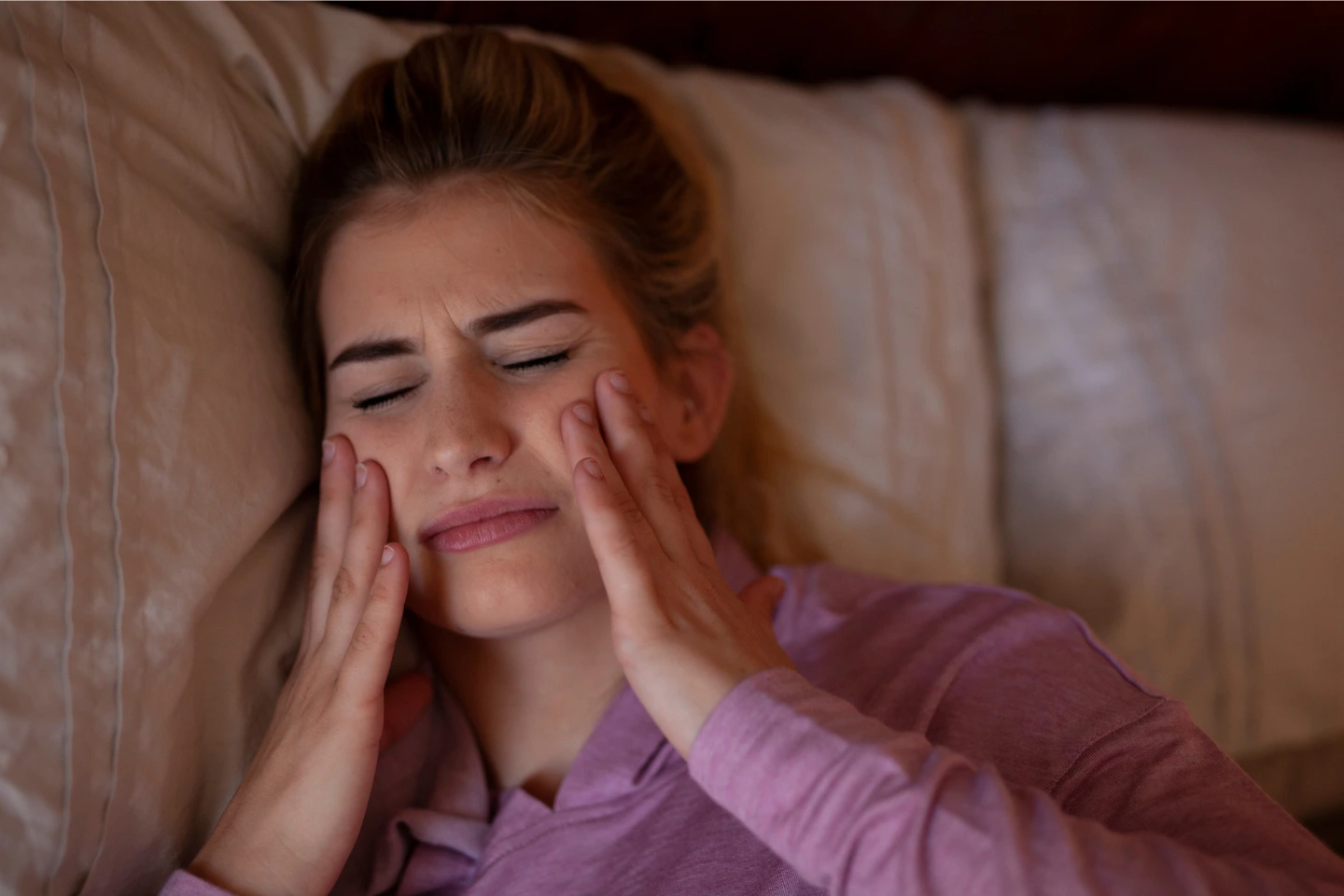
Waking up with a dull headache, a tender jaw, or sensitive teeth can be an exhausting start to the morning. For many people, these daily discomforts stem from chronic jaw clenching and involuntary night-time teeth grinding, conditions clinically referred to as bruxism. When left unmanaged, the continuous force exerted during involuntary clenching can lead to significant dental wear, joint stiffness, and persistent tension headaches. While traditional approaches like custom night guards offer essential physical protection for natural teeth, many individuals seek additional methods to address the underlying muscular tension directly.
In recent years, masseter Botox injections have emerged as a widely discussed option within restorative and aesthetic dentistry. Utilising targeted botulinum toxin therapy, this treatment works by relaxing the overworked facial muscles responsible for forceful jaw closure. Understanding how Botox for jaw clenching works, what the appointment involves, and how it integrates with comprehensive dental care can help you determine whether this approach aligns with your personal health goals.
Understanding Jaw Clenching and Teeth Grinding
Teeth grinding and jaw clenching frequently occur during sleep, making them difficult to control through conscious effort alone. The primary engine behind this movement is the masseter muscle, one of the powerful facial muscles responsible for chewing and jaw elevation. When stress, sleep disturbances, or bite misalignments trigger hyperactive muscle contractions, the masseter muscle works overtime, generating immense pressure across the temporomandibular joint and surrounding facial structures.
Over prolonged periods, excessive jaw clenching can cause noticeable changes to both oral health and facial comfort. The constant friction can wear down protective tooth enamel, crack existing dental restorations, and heighten tooth sensitivity. Furthermore, continuous strain on the facial muscles often translates into referred pain, manifesting as chronic facial pain, neck stiffness, and morning tension headaches. Exploring options like botulinum toxin therapy offers a targeted way to reduce muscle activity while keeping normal jaw functions such as speaking and eating entirely intact.
How Botox for Jaw Clenching Works
Botulinum toxin therapy operates by temporarily interrupting the chemical signals between nerve endings and targeted muscle fibres. When administered precisely into the masseter muscle, masseter Botox injections reduce the intensity of involuntary muscle contractions without completely freezing the jaw. This gentle relaxation lessens the force applied during involuntary teeth grinding, providing relief to both the teeth and the surrounding soft tissue structures.
By lowering the peak exertion of the masseter muscle, patients often experience a reduction in muscle tightness and associated tension headaches. Over several weeks following treatment, the softened muscle activity can also lead to a secondary aesthetic benefit: a subtle slimmed appearance along the lower jawline, as the enlarged masseter muscle gradually relaxes into a natural contour.
What to Expect During Masseter Botox Injections
The procedure for receiving Botox for jaw clenching is straightforward, minimally invasive, and completed within a standard clinical visit. During your initial consultation, your practitioner performs a physical examination to evaluate your bite, palpate the masseter muscle, and identify specific trigger points where muscle tightness is most prominent.
The actual injection process takes approximately 10 to 15 minutes. Using fine needles, small amounts of botulinum toxin are precisely introduced into designated areas of the masseter muscle on both sides of the jaw. Most individuals describe the sensation as a light pinch. Because no sedation is usually required, most people can return to their routine soon after leaving the clinic.
Benefits and Expected Outcomes of Treatment
Integrating masseter Botox injections into a broader management plan for bruxism provides multi-layered relief for patients affected by chronic jaw tightness. While individual responses vary based on muscle density and overall health, many patients note improvements within one to two weeks following their appointment.
Key potential outcomes associated with this treatment include:
- Reduction in Muscle Strain: Lowering the force of involuntary jaw clenching helps ease muscle soreness throughout the cheeks, temples, and neck.
- Fewer Tension Headaches: Easing chronic tightness in the facial muscles can significantly diminish the frequency and intensity of morning tension headaches.
- Protection for Teeth and Restorations: Decreasing grinding pressure helps safeguard natural enamel, composite fillings, and crowns from premature wear or fracture.
- Enhanced Comfort with Night Guards: Paired with custom oral appliances, relaxed facial muscles allow for a more comfortable and restful night's sleep.
Results are temporary and typically last a few months. As muscle action gradually returns, follow-up sessions can be discussed to maintain your comfort over time.
Comparing Options: Botox vs Traditional Night Guards
When managing teeth grinding, patients often wonder whether masseter Botox injections should replace traditional oral appliances. In clinical practice, these two modalities serve distinct, complementary roles in protecting your oral health.
Traditional night guards function primarily as a physical barrier placed over your upper or lower teeth. Their main benefit is preventing direct friction, which protects tooth enamel and existing dental restorations from chipping or flattening over time. Night guards are long-lasting appliances, often serving patients well for several years with proper care and maintenance.
Botox for jaw clenching, on the other hand, targets the root cause of the pressure by directly relaxing the masseter muscle. Rather than simply cushioning the teeth, masseter Botox injections lower the strength of involuntary jaw contractions, easing chronic muscle strain and relieving tension headaches. Because the effect wears off gradually, repeat treatments are typically spaced a few months apart to sustain relief. Combining both approaches allows you to protect the physical surfaces of your teeth while simultaneously calming overactive facial muscles.
Schedule Your Consultation at Natural Smiles
If chronic jaw clenching, teeth grinding, or persistent tension headaches are disrupting your daily comfort, the experienced team at Natural Smiles is here to help. We take a careful approach to your care, starting with a conversation about your symptoms and what is likely to help. If you are wondering whether Botox could play a part in easing clenching, ask our team about it alongside options such as a night guard.
Our patient-centred practice combines modern therapeutic techniques with a warm, supportive environment. Contact Natural Smiles today to arrange an appointment and talk through the options for easing jaw tension and protecting your teeth.
Frequently Asked Questions
Q: Does receiving Botox for jaw clenching affect my ability to chew?
A: No, the procedure targets specific areas within the masseter muscle to soften excessive force while preserving enough strength for comfortable chewing, speaking, and normal facial expressions.
Q: How quickly will I notice relief from teeth grinding symptoms?
A: Muscle relaxation usually begins within a few days, with fuller relief often noticed in the first couple of weeks.
Q: Is masseter Botox safe for long-term use?
A: Botulinum toxin is widely used and is generally well tolerated when given by a trained practitioner. Using it for jaw clenching is an off-label use, so a consultation comes first, and your practitioner will advise how often repeat treatments suit you.
Q: Will masseter Botox injections change my facial shape?
A: As the masseter muscle relaxes over time due to reduced strain, some patients notice a subtle softening along the jawline, creating a slimmer contour while relieving chronic tension.
Q: Can I combine Botox for jaw clenching with my current night guard?
A: Yes, using a custom night guard alongside botulinum toxin therapy provides comprehensive protection by protecting tooth enamel while simultaneously easing deep muscle strain.
Get in Touch
Don’t wait for symptoms to worsen. Book your consultation today and take the first step towards better health.

Call Us: +44 1536 206900
Email Us: info@naturalsmiles.co.uk





© 2026 Natural Smiles Corby | All Rights Reserved | Privacy Policy | Digital Marketing by Remedo