



Bonding or veneers? The ‘doing less’ question we ask before touching a tooth
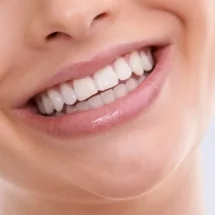
Composite bonding and veneers can both reshape a smile, but they differ in how much tooth you give up. Bonding adds material with little or no drilling. Veneers usually mean removing some enamel first. As of June 2026, at Natural Smiles near Leicester, the choice starts with one question: how do we touch your teeth the least?
Why “doing less” is the starting point here
Plenty of practices lead with the dramatic before-and-after. Natural Smiles works the other way around, and it’s a deliberate position rather than a slogan.
The practice is built on minimally invasive cosmetic dentistry, the idea that enamel is precious and you don’t get it back once it’s gone. So the first instinct isn’t “what’s the biggest change we can make?” It’s “what’s the smallest, safest change that gets you the smile you want?”
Dr Anisha Mistry, a cosmetic dentist at the Corby site, leans right into this. She graduated from the University of Bristol in 2018, winning prizes in oral biology and oral surgery, and she particularly enjoys on-the-tooth and minimally invasive techniques like composite bonding. For her, bonding isn’t a budget compromise. It’s often the cleverer answer.
Composite bonding, in plain terms
Bonding is a tooth-coloured resin, sculpted onto your teeth by hand and set hard with a light. The clinician shapes it directly in the chair to close a small gap, rebuild a chipped edge, or even out a tooth that sits slightly back from its neighbours.
The big advantage is what it doesn’t do. In many cases there’s no drilling at all, which means your natural tooth stays intact underneath. It’s usually done in a single visit, and if something chips years later, it can normally be repaired rather than replaced wholesale.
The trade-off? Composite isn’t quite as stain-resistant or as hard as porcelain, so it requires a little more care and may need refreshing or polishing over time.
Veneers, in plain terms
A veneer is a thin shell, usually porcelain, custom-made in a lab and bonded to the front of a tooth. Porcelain handles light beautifully and resists staining well, which is why veneers can look so convincing and last a long time
The preparation is the preparation. To make room for that shell and avoid a bulky look, a small amount of enamel is often removed first. That’s irreversible. Once a tooth has been prepared for a veneer, it will generally need a veneer or crown from then on. Veneers also take more than one appointment, because the lab needs time to make them.
The honest comparison
Composite bonding usually involves little or no tooth removal and is often reversible. Treatment can typically be completed in one appointment. It typically lasts around 4 to 8 years, offers good stain resistance with proper care, and is usually repairable. The rough UK cost is £150 to £350 per tooth.
Porcelain veneers usually require some enamel removal and are not reversible. Treatment generally takes two or more appointments. They typically last around 10 to 15 years, offer excellent stain resistance, but repairs often require full replacement. The rough UK cost is £500 to £1,000 per tooth.
These costs are general UK ranges intended to give you an idea, not a fixed quote. Your exact cost depends on how many teeth are involved and the details of your case. You can check the practice’s fees and confirm the cost at a consultation.
So which one suits you?
Stay with me, because the right answer is rarely the same for two people.
Bonding tends to win when the changes are modest, your teeth are healthy, and you’d rather keep your enamel intact. Small chips, minor gaps, slightly uneven edges- those are bonding’s home ground, and you can be in and out in a visit.
Veneers come into their own when you want maximum longevity and stain resistance, or when teeth are more heavily discolored or discolored in ways bonding can’t fully mask. Sometimes the most natural result actually comes from a mix: bonding on some teeth, a veneer where it’s genuinely needed.
And here’s a thought worth holding onto. If your teeth are crowded or out of line, the most conservative route of all might not be either. Straightening first with Invisalign can mean far less cosmetic work afterward because well-aligned teeth often need only a little bonding to finish. That’s the kind of “do less” thinking Dr Mistry brings to a consultation. You can see real results on the smile transformations gallery.
What a consultation actually involves
No mould of your teeth gets touched until you understand the plan. Dr Mistry examines your teeth and gums, asks what’s actually bothering you, and talks through the realistic options and their trade-offs. Nervous patients are very welcome here; we take real pride in building trust with anxious people, and appointments aren’t rushed.
You leave knowing which approach fits your teeth, your budget, and how much you want to preserve, with no pressure to commit on the spot.
FAQ
Q: Is composite bonding better than veneers?
A: Neither is better; they suit different situations. Composite bonding adds resin to your teeth with little or no drilling and is usually reversible, making it ideal for small chips and gaps. Veneers last longer and resist stains better but often require some enamel removal. At Natural Smiles, the choice depends on your teeth and how much you want to preserve.
Q: Does composite bonding damage your teeth?
A: In most cases, no. Composite bonding is among the most conservative cosmetic options because it often requires no drilling, leaving natural tooth structure intact underneath the resin, which is a key reason Dr Anisha Mistry favors it for minimally invasive smile improvements. A consultation confirms whether your teeth are suitable and whether any preparation is needed.
Q: How long does each option last?
A: As a general guide, composite bonding lasts around four to eight years and can usually be repaired or refreshed, while porcelain veneers tend to last roughly ten to fifteen years. Lifespan depends heavily on diet habits like grinding and oral hygiene. Both options last longer if you avoid biting hard objects and keep up good oral hygiene and regular check-ups.
Q: Can I have bonding and veneers together?
A: Yes, and it’s more common than people expect. A mixed plan might use bonding on teeth that need only minor reshaping and a veneer where greater coverage or longevity is genuinely required. This often gives a natural result while removing less tooth overall, which fits the minimally invasive approach used across the Corby and Wigston practices.
Q: How much does cosmetic bonding or veneers cost near Leicester?
A: As a broad UK guide, composite bonding runs from around £150 to £350 per tooth and porcelain veneers from around £500 to £1,000 per tooth. Your exact cost depends on how many teeth are treated and the complexity involved. Natural Smiles confirms your figure after an examination, and you can review the published fees on the website beforehand.
What to do next
If you’re weighing up bonding against veneers, the most useful step is a conversation with someone who’ll tell you honestly which one your teeth actually need, and whether you might need less than you think. Book a consultation with Dr Anisha Mistry at Natural Smiles, serving Corby, Wigston and the wider Leicester area.
Call +44 1536 206900 or book through the contact page at Natural Smiles.
Get in Touch
Don’t wait for symptoms to worsen. Book your consultation today and take the first step towards better health.

Call Us: +44 1536 206900
Email Us: info@naturalsmiles.co.uk





© 2026 Natural Smiles Corby | All Rights Reserved | Privacy Policy | Digital Marketing by Remedo