



How Long Does a Dental Implant Last?
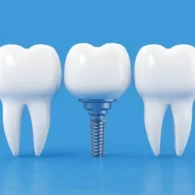
Dental implants are the most popular option in cosmetic dentistry these days. Even though the process is costly, demand is still rising. With advanced treatments, dental implants offer an easy, permanent solution to dental problems.
Implants are primarily meant to help with tooth loss due to periodontal diseases, injuries, or tooth decay. They are a near-perfect solution for replacing natural teeth.
What Are Dental Implants?
Dental implants are artificial replacements for your natural teeth. The technology involved has evolved significantly over the past decades, so implant failures due to poor function or rejection are extremely rare.
But if they fail, the common culprits are pre-existing medical conditions or misuse of implants.
What is a Dental Implant Made of?
Implants
The zirconia or titanium posts are surgically inserted inside the jawbone, serving as the crown’s root.
Crowning
The dental crown is a false ceramic tooth fixed atop the abutment and acts as a natural tooth. These crowns are made of zirconia, Emax, porcelain, composite resin, or even gold.
Abutment
The abutment is the final step of dental implants. The crown and post are fastened together for 1-2 weeks to hold the implant in place. A healing collar is also positioned around the affected area of the gum.
Dental implants are permanent procedures, as the implants are directly screwed into the jawbone. Moreover, the implants bond with the surrounding bone tissue to give dentures a solid structure. This process is known as osseointegration.
Durability Factors Of The Crowns And Abutments
In most cases, crowns and abutments are more prone to damage compared to implants. That’s because these parts are more exposed and actively involved in chewing and biting food.
How Long Does a Dental Implant Last?
Although implants last longer than 15–20 years, there’s a great chance of crown damage. Any artificial fixing needs careful handling, and there are no exceptions.
With normal wear and tear, over 50--0 percent of cases need crown replacement after 15 years.
The position of a dental implant is also crucial to determining its longevity. If implants are placed in the rear of the mouth, they will be subject to more frequent biting and chewing. As a result, they will wear out faster than implants in the front of the mouth.
Factors that Might Reduce Longevity of Dental Implants
In most implant failures, osseointegration is affected due to interference and lack of maintenance.
Poor Quality Maintenance
Poor oral hygiene leads to plaque accumulation, which can cause gum disease. When plaque accumulates on implants, it’s called peri-implant disease. As a result, both the gums and jawbone are severely affected.
Bone Insufficiency
An implant must be anchored in the jawbone to ensure it’s secure and lasts long. Therefore, if there isn’t sufficient bone tissue in the jawbone, the implant has a greater chance of failure. Hence, doctors take X-rays and use 3D modeling to assess bone quality and determine the implant site.
Smoking
Smoking has a critical effect on oral health as it impacts the oxygen content in the blood. Therefore, in smokers, osseointegration may be worse due to lack of oxygenation.
According to a study, 11% of implants in smokers have failed. Meanwhile, the rate for non-smokers is only 5%.
Teeth Grinding
If you grind your teeth or experience bruxism, your implant will be affected. On the other hand, any occlusal trauma can cause a fracture to your implant or loosen the screw.
Medical Conditions
If you have an underlying medical condition, it’ll likely lead to dental implant failures. A few medical conditions that can damage implants are diabetes, weak immune systems, bleeding issues, and cardiovascular diseases.
Age
Dental implants might fail more frequently in older adults than in other age groups. In older individuals, bone and medical conditions are more vulnerable. Therefore, healing might be slower in them too.
Improper Surgery
Inexperienced or poorly executed surgery can also impact the implant’s longevity. This can cause issues like unstable crown attachments and tissue trauma. Therefore, imperfect implant designs and placements may lead to implant failure.
Medication Or Treatment
High-dose medications and treatments have intense effects on oral health. Therefore, patients on immunosuppressive drugs, blood-thinning medications, and radiation therapy stand a stronger chance of suffering from delayed implant adjustment or even implant failure.
Maintenance Tips for Dental Implant Longevity
Just as your natural teeth are vulnerable to decay, tartar build-up, a nd plaque, the same applies to dental implants.
The first 24— 48 hours need special care. Generally, the surgeon shares all details about the dos and don’ts during this period.
After this period, follow the steps below to keep your dental implants healthy and in place.
Tip 1 – Maintain Good Oral Hygiene
Gum health is a key determinant of implant durability. So, it’s crucial to practice consistent and proper oral hygiene. Brush and floss at least twice a day to remove buildup that can cause bone degradation. Also, make it a habit to use an antimicrobial mouth rinse.
Tip 2 – Avoid Eating Hard And Acidic Food Items
While dental implants can restore up to 75% of your chewing capacity, avoid eating sticky and crunchy items like nuts, popcorn kernels, taco shells, ice, hard candies, and caramels. Even tomatoes, citrus fruits, and hot or spicy foods can harm the implants.
Tip 3 – Schedule Regular Check-Ups With Your Doctor
Surgeons prefer comparing x-rays and measuring gums to check the dental crowns and abutments at least twice a year. These sessions generally also include cleaning dentures and polishing the prosthetic teeth.
Tip 4 – Don’t Smoke
Unless you’d rather damage your implants than quit smoking, never smoke a cigarette again. Apart from severely impacting your gums, not only does smoking increase the risk of bacterial infections, but it also causes bone degradation.
So
If you’re considering dental implants or already have one, you can always drop by Natural Smiles for a thorough check-up.
Get in Touch
Don’t wait for symptoms to worsen. Book your consultation today and take the first step towards better health.

Call Us: +44 1536 206900
Email Us: info@naturalsmiles.co.uk





© 2026 Natural Smiles Corby | All Rights Reserved | Privacy Policy | Digital Marketing by Remedo