



How to Clean Invisalign Aligners Properly?
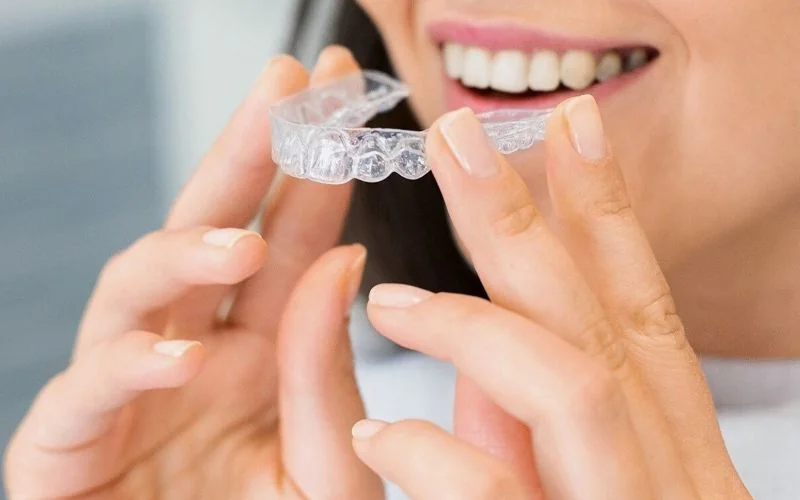
So you’ve started your Invisalign journey, and you’re already getting used to the routine of wearing your aligners for twenty to twenty-two hours a day. But there’s one part of the process that doesn’t always get enough attention during that first appointment, and that’s how to actually keep the aligners clean. At Natural Smiles, we get questions about this all the time, and it’s worth getting right from the very beginning. Dirty aligners don’t just smell unpleasant. They can harbour bacteria, cause bad breath, and even affect your gum health if the issue is left to build up over time.
The good news is that cleaning Invisalign aligners properly is genuinely straightforward once you know what you’re doing. It just needs to become part of your daily routine the same way brushing your teeth already is.
Why Keeping Your Aligners Clean Matters More Than You Think!
Your aligners sit against your teeth for the vast majority of the day and night. That close, constant contact means anything on the surface of the aligner is essentially in prolonged contact with your teeth and gums as well. Bacteria, food residue, and saliva all accumulate on aligners throughout the day, and if that isn’t cleared away regularly, it creates exactly the kind of environment that contributes to plaque build-up, tooth decay, and gum irritation.
There’s also the visual side of things. One of the main reasons people choose Invisalign over traditional braces is that the aligners are clear and discreet. Neglecting to clean them properly leads to a cloudy, yellowed appearance that makes them far more noticeable when you’re wearing them. Keeping them clean keeps them genuinely invisible, which is rather the whole point.
The Right Way to Clean Invisalign Aligners Every Day!
The most important thing to know about how to clean Invisalign aligners is that it needs to happen consistently, not just occasionally when you remember. Here’s what a good daily cleaning routine looks like.
Every time you remove your aligners, give them a gentle rinse under lukewarm water straight away. This washes away the layer of saliva that builds up during wear and stops it from drying onto the surface, where it becomes harder to remove and creates that cloudy film. This small habit takes about ten seconds and makes a noticeable difference.
For your main daily clean, use a soft-bristled toothbrush and a small amount of clear, unscented liquid soap. Gently brush all surfaces of the aligner, inside and out, using light circular movements. The goal is to dislodge any build-up without scratching the surface of the plastic. Rinse thoroughly afterwards to make sure no soap residue remains.
Do this at least once a day, ideally in the morning when you take the aligners out to brush your teeth. Some people prefer to do a quick clean in the evening as well, and that’s perfectly fine. More frequent gentle cleaning is always better than infrequent heavy-handed scrubbing.
What to Avoid When Cleaning Your Aligners
Knowing what not to do is just as important as knowing the right method, and there are a few common mistakes that are very easy to make.
Hot water is one of the biggest culprits for damaged aligners. The plastic Invisalign aligners are made from can warp when exposed to high temperatures, which affects the fit and therefore the effectiveness of your treatment. Always use lukewarm or cool water, never hot.
Toothpaste is another thing to avoid on aligners, even though it feels like a logical choice.
Most toothpastes contain mild abrasives that are perfectly fine on tooth enamel but can scratch the surface of the aligner plastic. Those tiny scratches become places where bacteria collect and where cloudiness sets in. Clear liquid soap or a dedicated aligner cleaning product is always the better option.
Coloured soaps or strongly scented products can also leave a residue and impart an unpleasant taste to the aligners, which you’ll notice immediately when you put them back in. Keep it simple and unscented.
Mouthwash might seem like a helpful addition, but most mouthwashes contain colouring agents that can gradually tint the aligner plastic, making them more visible. Stick to plain water and soap for everyday cleaning.
Using Invisalign Cleaning Crystals and Retainer Tablets
Alongside your daily brushing routine, a soaking solution used a few times a week adds an extra level of cleanliness that brushing alone can’t quite achieve. Invisalign produces their own cleaning crystals specifically designed for the aligners, and these are a reliable option that won’t damage the plastic.
Unscented retainer cleaning tablets are another widely used and effective choice. You dissolve a tablet in a cup of lukewarm water, place the aligners in the solution, and leave them to soak for the recommended time, usually around fifteen to twenty minutes. After soaking, give them a gentle brush and a thorough rinse before putting them back in.
A word of caution here: never soak aligners in mouthwash or any solution that isn’t specifically designed for the purpose. And never leave aligners soaking for longer than recommended, as prolonged exposure to even appropriate solutions can affect the material over time.
Keeping the Aligner Case Clean Too!
This one often gets forgotten entirely. Your aligner case is where the aligners live when they’re not in your mouth, and if the case itself isn’t clean, putting freshly cleaned aligners back into it rather defeats the purpose.
Give your case a rinse and a wipe down with a clean cloth daily, and let it air dry with the lid open rather than snapping it shut while still damp. A damp, closed case is exactly the kind of environment bacteria enjoy. It takes about a minute and keeps your whole system properly clean rather than just the aligners themselves.
A Clean Aligner Is a Clear Aligner
Caring for your Invisalign aligners properly keeps them hygienic, keeps them discreet, and helps your treatment stay on track without any unnecessary complications along the way. Once the routine is established it really does become second nature.
At Natural Smiles, we’re here to support you through every stage of your Invisalign treatment, including all the little practical questions that come up along the way. If you’re ever unsure about any part of your cleaning routine or have concerns about your aligners, just get in touch.
Frequently Asked Questions About How to Clean
Invisalign Aligners
Q: Can I use a dishwasher to clean my aligners?
A: No, definitely not. The heat involved in a dishwasher cycle will warp the plastic and ruin the fit of the aligner entirely. Stick to hand cleaning with lukewarm water.
Q: How do I get rid of a bad smell coming from my aligners?
A: Odour usually means bacteria build-up that regular rinsing hasn’t cleared. A soak in cleaning crystals or a retainer tablet solution followed by a thorough gentle brush should sort it out. If the smell persists despite consistent cleaning, mention it at your next appointment at Natural Smiles.
Q: Can I eat or drink with my aligners in?
A: Water only. Food and any drinks other than plain water should always be consumed with aligners removed. Eating with them in traps food against the teeth and aligner surface, and most drinks other than water will stain or damage the plastic over time.
Q: How often should I replace my aligner case?
A: Cases don’t last forever and can develop cracks or odours over time despite regular cleaning. Replacing yours every few months is a sensible habit. Your orthodontist at Natural Smiles can usually provide a replacement if needed.
Q: My aligners have gone slightly yellow. Can that be reversed?
A: Light discolouration from insufficient cleaning can sometimes be improved with a thorough soak in cleaning crystals. Significant yellowing is harder to reverse and is usually a sign that cleaning hasn’t been frequent enough. Since aligners change every one to two weeks, the best approach is simply to stay on top of cleaning from the start with each new set.
Get in Touch
Don’t wait for symptoms to worsen. Book your consultation today and take the first step towards better health.

Call Us: +44 1536 206900
Email Us: info@naturalsmiles.co.uk





© 2026 Natural Smiles Corby | All Rights Reserved | Privacy Policy | Digital Marketing by Remedo