



How to get a free consultation for Dental Implants in the UK?
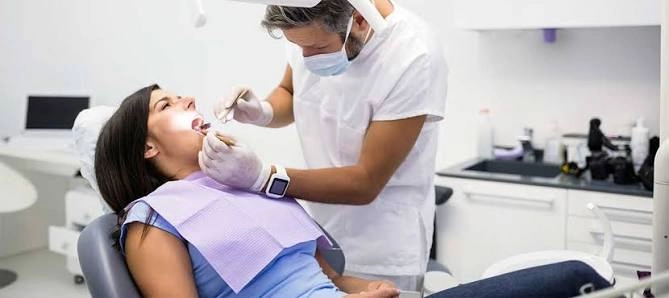
The Need For Dental Implants
The loss of a tooth hurts not just your mouth but also your self-esteem. In a survey published last year by Public Health England, more than 27% of participants had tooth decay, and almost 10% had dental implants.
Whether your tooth has succumbed to gum disease, decay, or an accident, dental implants ensure the rest of your teeth stay aligned. Misaligned teeth become prone to further decay and tooth loss.
Dental implants get placed into your jawbone, the titanium screw replacing the root of the missing tooth. Once fitted, the implant gradually fuses with the bone surrounding it, which keeps it fixed in place. A false tooth (a denture or crown) is then fitted over the implant, giving you back your natural smile.
Are Dental Implants Painful?
The most common fear of any surgical procedure is whether it will hurt. While you may feel a little pressure, local anesthesia numbs the nerves around the implant area to prevent any pain or discomfort.
The procedure is easy and you can expect to get back to your regular schedule the next day itself. We do have some tips for a quicker healing process:
Avoid smoking as it prolongs your healing by not allowing your body enough oxygen. It can damage the gum growing around the implants, while also discoloring them. It’s best to avoid alcohol too. Do this for a minimum of two weeks, as alcohol also hinders the healing process.
Eat a nutritious diet to avoid catching infections. Try broccoli as it is rich in calcium. Other recommendations are protein shakes and vegetable smoothies.
Daily saltwater rinses would prevent bacterial growth.
Bruising or swelling is normal after any surgery. Cold compresses are a good way to lessen discomfort.
The most important tip is to rest. Avoid putting unnecessary strain on the body right after surgery. You do not want to disturb the implant site in any way or risk the movement of blood clots (a complication more common with tooth extractions).
How Long Do Dental Implants Last?
Dental implants are usually a permanent alternative to a lost tooth and last anywhere between 20-30 years. What’s the catch? You need to maintain good oral hygiene and look after your teeth well. Lifestyle choices such as heavy drinking or excessive smoking can affect your implants.
In some cases, pre-existing medical conditions such as a weak immune system or diabetes can also weaken a dental implant. These conditions expose you to risks of infections and thus, your body might take longer to heal. Their management plays a vital role in protecting your implant. Discuss them well in advance with your dentist.
Another cause of dental implant degradation can be damage or injury. While the implant itself is permanent, the crowns can get damaged or cracked, like our natural teeth. Facial injuries, eating chewy or sticky foods, and chewing on hard substances such as ice or brittle sweets might damage the crown. Using teeth as openers for plastic packaging or bottles is also detrimental.
How Much Do Dental Implants Cost?
At Natural Smiles, all treatments are custom-made as per the needs of every patient. Although we have set fees for your estimate, we discuss your individualized plan and its cost before treatment.
Typically, the price per dental implant is £2,350 onwards, whereas the price for implant dentures is between £6,500 to £130,000. A CT Scan would cost you £200 onwards. All these services are available at a discounted rate for our members.
Other Services Offered
Apart from the services already mentioned, Natural Smiles offers a few more for patients with specific needs. Read on to find out.
Bone Grafting
While dental implants are well-known, bone grafting is fairly unheard of. Yet, it is a painless and uncomplicated procedure.
Patients who don’t have enough healthy natural bones to support their dental implants need this procedure. Usually, this deficiency arises due to:
Gum disease
Developmental defects
Space after removal of teeth
Facial trauma or injury
Bone grafting rebuilds or repairs bones by transplanting healthy bone tissue. At Natural Smiles, we have bone grafting services available from £900 onwards
Sinus Augmentation
A sinus augmentation, also known as a sinus lift, is a procedure to add bone to an upper jaw in the gap between the molars and premolars. This is also the gap between the jaw and the maxillary sinuses on each side of the nose.
The sinus membrane needs to be “lifted” to make space for the bone. If your sinuses are too close to your jaw, or you have insufficient bone height in your upper jaw, placing dental implants would be difficult.
Some reasons for the bone loss resulting in a need for this lift are:
- Loss of teeth in the upper jaw, your molars, or back teeth in particular
- Bone loss caused by gum disease
- The maxillary sinus is too close to your upper jaw
- Reabsorption of bone into your body due to loss of tooth
- Sinus augmentation has become more common in the last 15 years. The procedure costs £800 onwards here at Natural Smiles.
How To Ensure Long-Term Success Of Implants
Some of the crucial factors for successful implants are:
- The patient’s existing medical condition should be under control.
- The patient’s mouth should be free of any residual disease or bacterial plaque.
- The healing period should be strictly followed and reviewed.
- The patient should provide regular care to the implants, including hygiene appointments and checkups.
- The quality of materials used is of prime importance. We pride ourselves on our high-quality implant system with well-manufactured componentry and superior laboratory work. This ensures that the longevity of the implants is not compromised.
How Do You Get A Free Consultation For Dental Implants?
For your comfort, we provide a a free consultation so that you may make an informed decision. The facility is available at our Corby and Leicester locations, and all you need to do is select your preferred location and get in touch.
So don’t sacrifice proper oral health. Book your free consultation right now.
Get in Touch
Don’t wait for symptoms to worsen. Book your consultation today and take the first step towards better health.

Call Us: +44 1536 206900
Email Us: info@naturalsmiles.co.uk





© 2026 Natural Smiles Corby | All Rights Reserved | Privacy Policy | Digital Marketing by Remedo