



How to Know If You Need a Dental Implant: 7 Signs to Consider
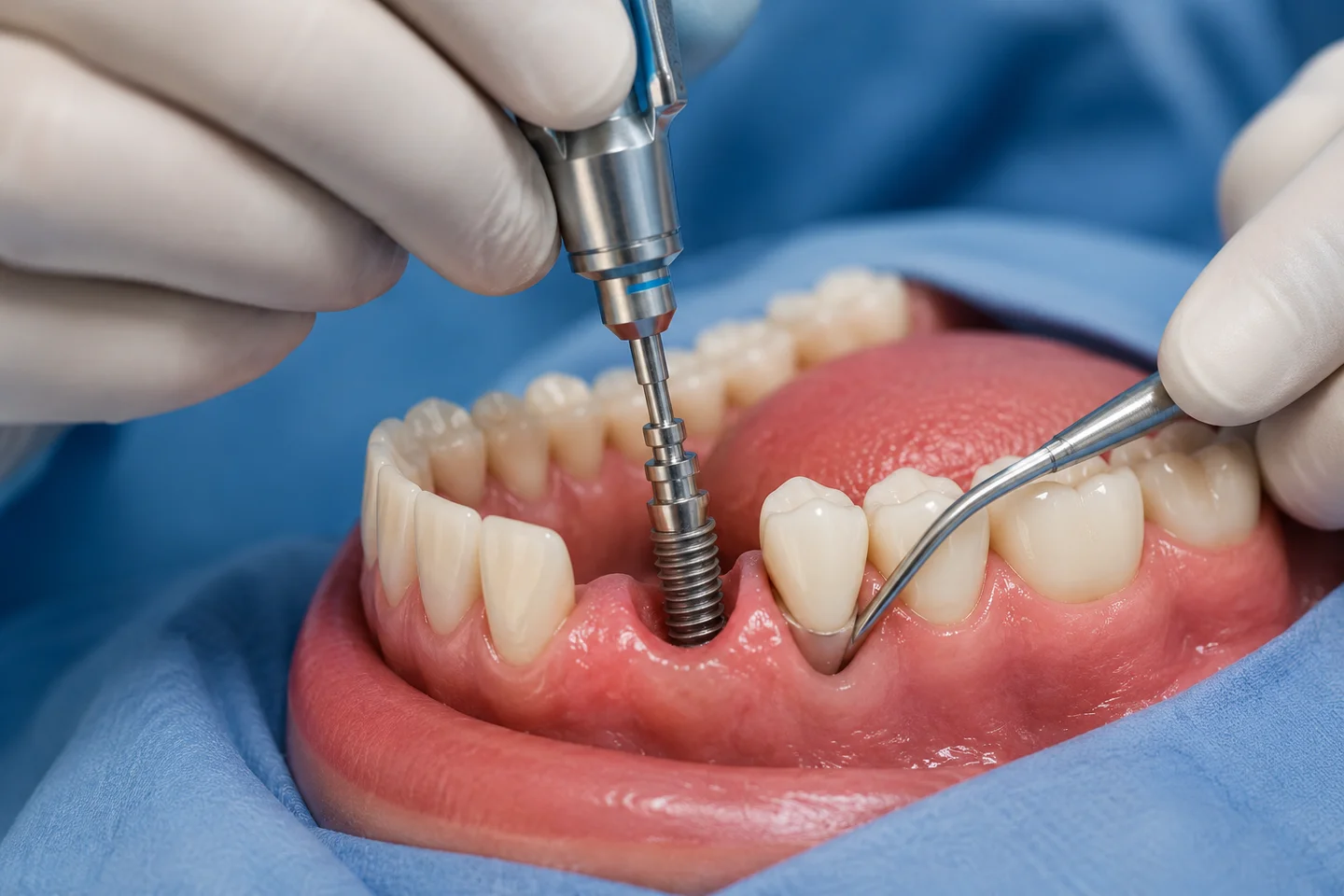
Missing a tooth changes more than just how your smile looks. It can affect how you chew, how you speak, and even how the rest of your teeth sit over time. If you've been putting off a decision about what to do next, you're not alone; plenty of people spend months weighing up their options before booking a consultation. This guide runs through seven signs that often point toward a dental implant being worth considering, along with what tends to come up when researching dental implants near Corby. None of this replaces an actual assessment from a dentist, but it should give you a clearer sense of whether it's a conversation worth having sooner rather than later.
You've Been Living With a Missing Tooth for a While
A gap left untreated for months or years often starts to cause knock-on effects. Neighbouring teeth can gradually shift toward the space, your bite can change, and the jawbone in that area can begin to lose density since it's no longer being stimulated by a tooth root. If this sounds familiar, it's worth having a proper look taken, since the longer a gap sits, the more it can affect the surrounding teeth. This is one of the more common reasons people start researching dental implants near Corby in the first place.
Your Dentures Feel Loose or Uncomfortable
Dentures work well for plenty of people, but they don't suit everyone, and it's fairly common for them to feel less secure over time as the jawbone underneath changes shape. If you find yourself using adhesive constantly, avoiding certain foods, or just feeling self-conscious about your dentures slipping, that discomfort is worth mentioning to your dentist. An implant-supported option might be worth exploring as an alternative, depending on your individual case.
You're Struggling to Chew Certain Foods
Missing teeth, or teeth that have been weakened over time, can make chewing harder than it should be. Some people quietly start avoiding foods they used to enjoy, whether that's something crunchy or something that just requires a firmer bite. If eating has become something you think about rather than something you do without noticing, that's a sign worth bringing up at your next dental visit.
A Tooth Has Been Damaged Beyond Repair
Sometimes a tooth is cracked, fractured, or decayed to the point where a filling or crown isn't a realistic option anymore. When that happens, an extraction followed by a replacement is often the next step, and a dental implant is one of the options your dentist may discuss with you at that stage. It's not the only route, but for many people it's one worth understanding properly before deciding what to do.
You've Noticed Changes in Your Jawbone or Facial Shape
This one is subtler and often goes unnoticed for a while. When a tooth is missing and the space is left as it is, the jawbone underneath can gradually lose density, which over time can slightly change the shape of the face around the mouth. If you or people close to you have noticed this kind of shift, it's a reasonable prompt to look into your options, since addressing it earlier tends to be more straightforward than waiting.
Your Bite Feels Off or Uneven
When a tooth goes missing, the teeth around it don't always stay perfectly still. They can tilt, drift, or shift into the gap over time, which changes how your bite comes together. If chewing feels uneven, or you've noticed new pressure points when you bite down, that's worth flagging to your dentist, since it can be an early sign that the gap is starting to affect more than just the missing tooth itself.
You Want a Long-Term, Fixed Solution Rather Than a Removable One
Some people simply reach a point where they'd rather not deal with a removable option day to day. Dental implants are designed to be a fixed solution, anchored into the jawbone, so there's no taking them out at night or worrying about them shifting during meals. If that kind of stability sounds appealing compared with what you're currently using, or not using, it's a good reason to start the conversation with a dentist who can assess whether you're a suitable candidate.
What Happens During a Dental Implant Consultation
If any of these signs sound familiar, the next step is usually a consultation rather than jumping straight into treatment. This typically involves a dental exam, X-rays or scans to check bone density and overall suitability, and an honest conversation about what implants would involve for your specific situation. Not everyone ends up being a straightforward candidate for implants, since factors like bone health and overall gum condition play a role, so this assessment stage matters more than people sometimes expect.
From there, if implants are a suitable option, your dentist can walk you through the general timeline, which usually includes a healing period after the implant post is placed before the final crown is fitted. It's a process that takes some patience, but for many patients, understanding the full picture upfront makes the whole thing feel far less daunting.
Book a Dental Implant Consultation at Natural Smiles
If several of these signs sound like your own experience, it might be worth having a proper conversation about your options rather than continuing to work around the gap. Whether you're dealing with a loose denture, a damaged tooth, or simply want a longer-term fixed solution, understanding what's realistic for your situation is the best place to start. The team at Natural Smiles takes the time to properly assess each case and explain things clearly, without any pressure attached. If you've been researching dental implants near Corby and want a straightforward, honest opinion on your options, get in touch with Natural Smiles to book a consultation.
Frequently Asked Questions About Dental Implants
Q: How do I know if I'm a good candidate for a dental implant?
A: Suitability generally depends on factors like bone density and overall gum health, which your dentist can assess through an exam and imaging such as X-rays or scans during a consultation.
Q: Is getting a dental implant a painful process?
A: The placement procedure is carried out under local anaesthetic, so most patients feel little to no pain during it. Some discomfort afterwards is common and is usually manageable with over-the-counter pain relief.
Q: How long does dental implant treatment usually take from start to finish?
A: This varies depending on individual healing and whether any additional procedures are needed beforehand, but the full process, including healing time, often spans several months.
Q: Can a dental implant replace more than one missing tooth?
A: Yes, depending on the situation, multiple implants can be used to support several replacement teeth or even an implant-supported bridge, rather than needing one implant for every missing tooth.
Q: Do dental implants require special care compared with natural teeth?
A: Day-to-day care is fairly similar to caring for natural teeth, involving regular brushing, flossing, and routine dental checkups to help keep the implant and surrounding gum tissue healthy.
Q: Is a dental implant better than a bridge or denture?
A: There's no single answer that applies to everyone, since it depends on your bone health, budget, and personal preference. A dentist can talk you through the pros and considerations of each option based on your specific case.
Get in Touch
Don’t wait for symptoms to worsen. Book your consultation today and take the first step towards better health.

Call Us: +44 1536 206900
Email Us: info@naturalsmiles.co.uk





© 2026 Natural Smiles Corby | All Rights Reserved | Privacy Policy | Digital Marketing by Remedo