



How to Prevent Gum Disease: Early Signs and Everyday Tips for Healthy Gums
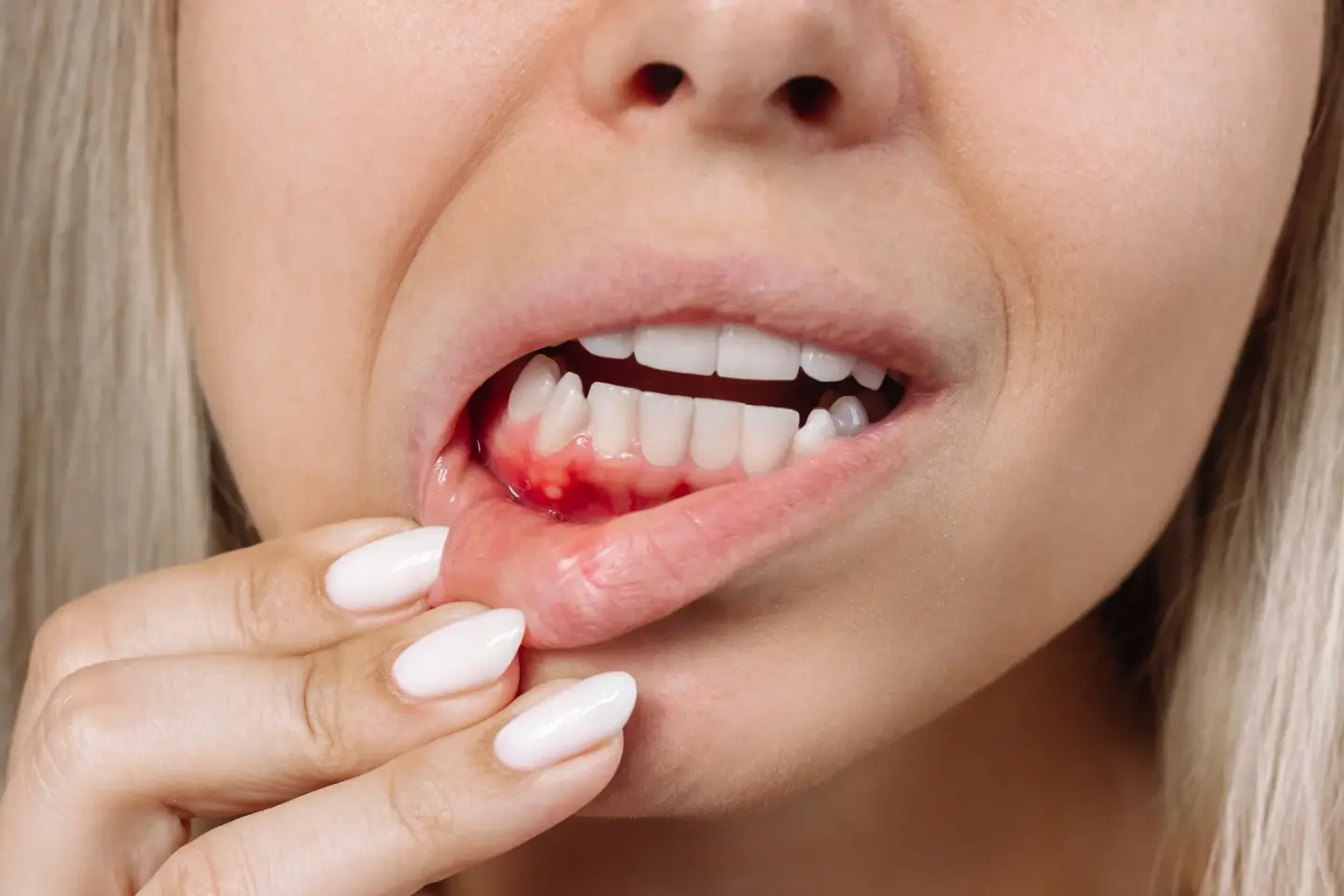
Most of us pay plenty of attention to our teeth and not nearly enough to the gums holding them in place. Then one morning you spot a bit of pink in the sink after brushing, and suddenly your gums have your full attention. The encouraging part is that gum disease is common, and in its early stages it can often be turned around with a few simple changes. Here's what to look out for, what raises your risk, and the everyday habits that can help you keep healthy gums for the long run.
What Is Gum Disease and Why Does It Matter for Your Health?
Gum disease is an infection and inflammation of the tissues that support your teeth. It tends to start when plaque, that soft, sticky film of bacteria, builds up along the gum line and isn't cleaned away properly.
There are two main stages. Gingivitis is the early one. The gums are irritated and inflamed, but the bone underneath hasn't been affected. Left alone, it can progress to periodontal disease, where the infection begins to affect the gums and bone that support your teeth. That's when teeth can become loose, and in some cases may eventually be lost.
Research has also suggested links between gum health and wider health, including conditions such as diabetes and heart disease. The connection is still being studied, but it's one more reason to take your gums seriously.
What Are the Early Signs of Gum Disease You Shouldn't Ignore?
Here's the tricky bit. Early gum disease is often painless, so it can slip under the radar. Keep an eye out for:
- Gums that bleed when you brush or floss
- Red, swollen or tender gums
- Persistent bad breath or an unpleasant taste that doesn't shift
- Gums that look like they're pulling away from your teeth
- Teeth that seem longer than they used to
- Loose teeth, or a change in how your bite feels
- Pus around the gum line
A lot of people assume bleeding gums mean they're brushing too hard, so they ease off. Sometimes that's part of it, but bleeding is also one of the most common signs of gum disease. If it keeps happening for more than a week or two, it's worth getting checked rather than guessing.
What Causes Gum Disease and Who Is More at Risk?
Plaque is the main trigger, but a few things can make gums more vulnerable:
- Smoking and vaping: Tobacco use is one of the biggest risk factors, and it can also mask symptoms like bleeding, which makes gum disease harder to spot.
- Inconsistent cleaning: Missing the gum line, skipping floss or rushing through brushing lets plaque settle and harden into tartar.
- Hormonal changes: Pregnancy, puberty and menopause can make gums more sensitive and more prone to inflammation.
- Certain health conditions: Diabetes, for example, can affect how well the body fights infection, including in the mouth.
- Some medications: Certain medicines cause a dry mouth, which reduces the protective effect of saliva.
- Family history: Some people are simply more susceptible, even with decent habits.
- Stress and poor diet: Both can affect how well your body responds to bacteria.
None of this means you'll definitely develop gum disease. It just helps to know where your own risks might lie.
How Can You Prevent Gum Disease With Everyday Habits?
Good news, this is where you have the most control. Small, consistent habits do a lot of the heavy lifting when it comes to keeping healthy gums.
- Brush twice a day, properly: Aim for two minutes, using a fluoride toothpaste. Angle the bristles gently towards the gum line and use small circular motions rather than a hard scrub. An electric toothbrush with a pressure sensor can help if you tend to press too firmly.
- Clean between your teeth daily: A toothbrush can't reach the sides of your teeth. Floss, interdental brushes or water flossers can help remove plaque from those tight spots. Your dentist or hygienist can show you which suits your mouth best.
- Don't rinse straight away: After brushing, spit out the excess toothpaste but skip the water or mouthwash if you can. It leaves the fluoride on your teeth a bit longer.
- Replace your brush regularly: Roughly every three months, or sooner if the bristles look splayed.
- Consider a mouthwash: Some people find an alcohol-free option a useful extra. It shouldn't replace brushing or cleaning between teeth, though.
- Keep an eye on changes: If your gums bleed, swell or look different, don't wait for it to become painful. Book an appointment.
Does Diet and Lifestyle Really Make a Difference to Gum Health?
They can. Sugary snacks and drinks feed the bacteria that form plaque, so cutting back on how often you have them, not just how much, is a sensible step. Foods rich in vitamin C, such as peppers, oranges and leafy greens, help support healthy gums, and crunchy fruit and vegetables help stimulate saliva.
Stopping smoking is probably the single most helpful lifestyle change for your gums, and your dentist can point you towards local support if you'd like it. Managing stress, staying hydrated and keeping on top of any long-term health conditions also play a part. Nobody's perfect, so it's about steady habits rather than a flawless record.
How Often Should You See a Dentist and Hygienist for Gum Health?
Even with excellent habits at home, some plaque hardens into tartar, and you can't remove that with a toothbrush. A professional cleaning by a dentist or hygienist takes care of it, and it also gives your dental team the chance to measure your gum pockets and spot problems early.
How often you need to visit depends on your own mouth. Some people are comfortable with check-ups every six months, while others, particularly those with a history of gum problems, may be advised to come more often. If gum disease has already started, gum disease treatment might include a deeper cleaning beneath the gum line, along with tailored advice for home care. Your dentist can recommend a schedule based on what they see.
Book a Gum Health Check for Healthy Gums at Natural Smiles
If your gums have been bleeding, feeling tender or just not looking quite right, it's a good time to have them looked at. The friendly team at Natural Smiles can check for signs of gum disease, talk you through what they find in plain language and suggest practical ways to look after your gums. Whether you're after reassurance or a proper plan for gum disease treatment, Natural Smiles aims to make your visit comfortable and unhurried.
Want healthy gums you don't have to worry about? Get in touch with Natural Smiles to book an appointment. A short visit now can make it much easier to keep your gums in good shape for years to come, and the team at Natural Smiles will be happy to answer any questions along the way.
FAQs About Gum Disease and Healthy Gums
Q: Can gum disease be reversed?
A: Early-stage gum disease, known as gingivitis, can often be improved with better cleaning habits and professional care. More advanced periodontal disease generally can't be fully reversed, but it can usually be managed to help slow its progress.
Q: Are bleeding gums always a sign of gum disease?
A: Not always. Brushing too hard or starting a new flossing routine can cause temporary bleeding. But if it carries on for more than a week or two, it's worth having a dentist take a look.
Q: Does gum disease hurt?
A: Often not, at least in the early stages, which is why it can go unnoticed. Pain tends to appear later, so you shouldn't wait for discomfort before getting checked.
Q: How can I tell if I have gum disease or just sensitive gums?
A: It can be hard to tell on your own. Persistent redness, swelling, bleeding, bad breath or receding gums can all point towards gum disease, and an examination is the most reliable way to find out.
Q: Is it too late to look after my gums if I haven't been to the dentist in a while?
A: Not at all. Plenty of people come back after a long gap, and there's no judgement. The sooner your gums are assessed, the more options you're likely to have.
Get in Touch
Don’t wait for symptoms to worsen. Book your consultation today and take the first step towards better health.

Call Us: +44 1536 206900
Email Us: info@naturalsmiles.co.uk





© 2026 Natural Smiles Corby | All Rights Reserved | Privacy Policy | Digital Marketing by Remedo