



Is Composite Bonding Right for Me? A Patient’s Guide to This Popular Treatment
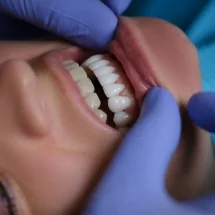
If you’re unhappy with minor imperfections in your smile—perhaps a chipped tooth, a small gap, or slight discolouration—you’ve likely searched for solutions that don’t involve extensive dental work. You might have come across composite bonding and wondered whether this increasingly popular treatment could be the answer you’re looking for. After all, the idea of transforming your smile in a single appointment, without drilling or invasive procedures, sounds almost too good to be true.
At Natural Smiles Implant & Cosmetic Dentistry in Leicester and Corby, composite bonding is one of the most frequently requested treatments, and for good reason. Both Dr Anisha Mistry and Dr Anmol Bal have built their reputations on using minimally invasive techniques to enhance natural smiles, and composite bonding sits at the heart of this philosophy. In this comprehensive guide, we’ll explain exactly what composite bonding involves, who it suits best, and how Natural Smiles’ clinicians use this versatile technique to create subtle, beautiful transformations that feel authentically you.
What Is Composite Bonding and How Does It Work?
Composite bonding is a cosmetic dental procedure that uses tooth-coloured resin material to improve the appearance of your teeth. The composite resin—a blend of plastic and fine glass particles—is carefully sculpted onto your tooth surface, shaped to correct imperfections, and then hardened using a special curing light. Once set, the bonding is polished to a natural shine that blends seamlessly with your surrounding teeth.
What makes composite bonding particularly appealing is its minimally invasive nature. Unlike veneers, which typically require the removal of a thin layer of enamel to accommodate the porcelain shell, composite bonding usually requires little to no removal of your natural tooth structure. In many cases, Dr Mistry and Dr Bal can simply apply the composite material directly to your existing tooth surface, making the procedure completely reversible if you ever decide you want to explore alternative treatments in the future.
The composite resin itself is remarkably versatile. It can be colour-matched precisely to your natural teeth, shaped to any form needed, and layered to create depth and translucency that mimics real enamel. This flexibility allows skilled practitioners like Dr Mistry and Dr Bal to address a wide range of aesthetic concerns with a single material and technique.
At Natural Smiles, the approach to composite bonding Leicester treatments reflects the practice’s broader philosophy: enhancing your natural smile rather than creating something artificial or overly perfect. The goal is always to make improvements that feel like a better version of you, not a dramatic transformation that doesn’t suit your features or personality.
Common Issues Composite Bonding Can Address
One of the reasons composite bonding has become so popular is its ability to correct multiple types of cosmetic concerns. During consultations at Natural Smiles, patients often discover that bonding can address issues they thought would require more complex, expensive treatments.
Here are the most common problems composite bonding can solve:
Chipped or Broken Teeth
Even minor chips can significantly affect your confidence, especially if they’re on front teeth that show when you smile. Composite bonding can rebuild the damaged portion of your tooth, restoring its original shape and strength. Dr Mistry particularly enjoys using this technique for front tooth repairs, as it allows her to recreate natural-looking edges and contours that blend invisibly with the rest of your smile.
Gaps Between Teeth (Diastemas)
Small to moderate gaps between teeth can be closed using composite bonding without the need for orthodontic treatment. The composite material is carefully built up on the sides of the teeth adjacent to the gap, gradually closing the space whilst maintaining natural proportions. This approach works particularly well for gaps between front teeth, which many patients find distracting.
Discoloured or Stained Teeth
Whilst teeth whitening is the first-line treatment for generalised discolouration, some stains—particularly those caused by medication, trauma, or developmental issues—don’t respond well to bleaching. Composite bonding can mask these stubborn stains by covering the affected area with tooth-coloured resin, creating a brighter, more uniform appearance.
Uneven or Misshapen Teeth
Teeth that are naturally too small, oddly shaped, or simply don’t match their neighbours can be reshaped using composite bonding. Dr Bal’s particular interest in minimally invasive cosmetic dentistry means she’s skilled at using bonding to create balanced, harmonious smiles by subtly adjusting tooth proportions without aggressive preparation.
Worn Tooth Edges
Over time, teeth can become worn down due to grinding, acidic erosion, or simply age. This wear often affects the biting edges of front teeth, making them appear shorter and sometimes causing sensitivity. Composite bonding can rebuild these worn areas, restoring length and protecting the underlying tooth structure.
Minor Alignment Issues
Whilst composite bonding isn’t a substitute for orthodontic treatment in cases of significant misalignment, it can create the illusion of straighter teeth by adjusting contours and masking minor rotations or tilting. This cosmetic approach is sometimes combined with short-term orthodontics for optimal results—an area where Dr Mistry’s expertise as a comprehensive Invisalign provider proves particularly valuable.
Why Dr Mistry and Dr Bal Favour Minimally Invasive Bonding
The philosophy behind Natural Smiles’ approach to composite bonding is deeply rooted in conservative dentistry principles. Both Dr Mistry and Dr Bal believe in preserving as much natural tooth structure as possible, and composite bonding perfectly aligns with this value.
Dr Mistry’s approach to patient care is built on creating trusting relationships and ensuring even nervous patients feel comfortable throughout their treatment. She takes pride in using techniques like composite bonding that allow her to enhance smiles without the anxiety-inducing drilling or extensive preparation that more invasive procedures require. Her particular enjoyment of short-term orthodontics and minimally invasive techniques means she often discusses combination approaches with patients—perhaps using Invisalign to improve alignment first, then refining the result with subtle composite bonding.
Dr Bal shares this minimally invasive philosophy, with her particular interest in cosmetic dentistry that prioritises patient comfort and natural-looking results. Her commitment to delivering high-quality, painless dentistry in a calm and caring environment is evident in how she approaches bonding cases. She carefully assesses each patient’s unique concerns and creates a treatment plan that addresses those specific issues without over-treating or creating results that look artificial.
Both clinicians recognize that bonding offers significant advantages over more aggressive alternatives:
- Preservation of tooth structure: Little to no enamel removal is needed
- Reversibility: The procedure can be undone if desired
- Single-visit treatment: Most bonding cases are completed in one appointment
- Affordability: Composite bonding is generally more cost-effective than veneers or crowns
- Lower risk: The conservative nature of the treatment means minimal risk to tooth health
This patient-centered approach repatient-centeredSmiles’ broader commitment to treatments that enhance rather than transform, working with your natural features to create improvements that feel authentic and comfortable.
The Composite Bonding Procedure: What to Expect
Understanding what happens during your composite bonding appointment can help ease any apprehension and help you arrive feeling prepared and confident. At Natural Smiles, whether you’re seeing Dr Mistry in Corby or Dr Bal in Leicester, the process follows a careful, systematic approach designed to deliver beautiful results whilst prioritising your comfort.
Initial Prioritization and Color Matching
Your bonding journey starts with a detailed consultation where your chosen clinician examines your teeth, discusses your concerns, and determines whether composite bonding is the most appropriate solution. This assessment phase is crucial—not every cosmetic concern is best addressed with bonding, and both Dr Mistry and Dr Bal will always recommend the treatment that genuinely serves your best interests.
If bonding is suitable, the next step is selecting the perfect shade of composite resin to match your natural teeth. This color-matching process requires careful attention to the subtle variations in tone and translucency that make teeth look natural. Your clinician will hold various shade samples against your teeth in different lighting to ensure an exact match.
Tooth Preparation
In many cases, tooth preparation for composite bonding is minimal. Your clinician may lightly roughen the surface of your tooth using a gentle etching gel, which creates a slightly textured surface that allows the bonding material to adhere securely. This process doesn’t remove significant tooth structure and is completely painless.
For most bonding procedures, anesthetic isn’t necessary, and no drilling is involved. However, if bonding is being used to repair a tooth close to the nerve or in an area that might be sensitive, your clinician will offer local anesthetic to ensure your comfort.
Application and Sculpting
Once your tooth is prepared, the composite resin is applied in layers. This layering technique is essential for creating depth and translucency that mimics natural tooth enamel. Dr Mistry and Dr Bal are both skilled at sculpting the soft composite material to the exact shape needed, whether that’s rebuilding a chipped edge, closing a gap, or reshaping an uneven tooth.
Each layer is hardened using a special curing light before the next layer is applied. This gradual build-up allows for precise control over the final shape and ensures the bonding is strong and durable.
Shaping and Polishing
After the final layer is applied and cured, your clinician carefully shapes the bonded area using fine instruments, ensuring it blends seamlessly with your natural tooth contours. The bonding is then polished to a smooth, natural-looking finish that reflects light just as your real teeth do.
Throughout this process, which typically takes 30-60 minutes per tooth, your clinician will regularly ask you to check the shape and feel, making adjustments until you’re completely satisfied with the result.
How Long Do Results Last and How Should You Care for Bonded Teeth?
One of the most common questions patients ask about composite bonding is how long the results will last. The honest answer is that longevity depends on several factors, including the location of the bonding, your oral hygiene habits, and lifestyle factors such as diet and whether you grind your teeth.
With proper care, composite bonding typically lasts between five and ten years before requiring touch-ups or replacement. Some patients find their bonding lasts even longer, whilst others may need minor repairs sooner, particularly if the bonding is on biting surfaces that experience significant force.
To maximise the lifespan of composite bonding, Dr Mistry and Dr Bal recommend the following care guidelines:
- Maintain excellent oral hygiene: Brush twice daily and floss regularly to prevent staining and decay around the bonding
- Avoid staining substances: Coffee, tea, red wine, and tobacco can gradually stain composite resin, just as they stain natural teeth
- Be cautious with hard foods: Whilst bonding is strong, it can chip if subjected to excessive force, so avoid biting directly into very hard foods
- Wear a night guard if you grind: Teeth grinding can wear down or crack composite bonding, so a protective guard is essential if you have this habit
- Attend regular check-ups: Your Natural Smiles clinician can polish and maintain your bonding during routine visits, extending its lifespan
It’s worth noting that composite. is repairable. If a small chip or stain develops, your clinician can often fix it in a brief appointment by adding a small amount of new composite material and re-polishing the area. This repairability is another advantage bonding has over porcelain veneers, which typically need complete replacement if damaged.
Combining Composite Bonding with Other Treatments
Dr Mistry’s expertise as a comprehensive Invisalign provider and Dr Bal’s ongoing postgraduate course in cosmetic and aesthetic restorative dentistry mean both clinicians are skilled at creating comprehensive treatment plans that combine multiple techniques for optimal results.
Many patients achieve their best outcomes by using composite bonding as part of a broader smile enhancement strategy:
- Invisalign followed by bonding: Orthodontic treatment can correct significant alignment issues, then bonding refines minor imperfections like tooth shape or size
- Teeth whitening before bonding: Whitening your natural teeth first allows your bonding to be matched to a brighter shade, creating a more uniformly bright smile
- Bonding with gum contouring: If uneven gum levels are affecting your smile, minor gum reshaping combined with bonding can create beautiful symmetry
This collaborative, comprehensive approach reflects the depth of expertise available at Natural Smiles. It ensures you receive treatment based on achieving the best possible result, not simply the quickest or most profitable option. It ensures treatment is based on achieving the best possible result, not simply the quickest or most profitable option.
Is Composite Bonding Right for Your Smile?
Composite bonding is a remarkably versatile treatment that can address numerous cosmetic concerns with minimal intervention, but it’s not the right solution for everyone. During your consultation at Natural Smiles, whether in Leicester or Corby, your clinician will honestly assess whether bonding will meet your expectations or whether an alternative approach might serve you better.
Composite bonding works best for patients who:
- Have minor to moderate cosmetic concerns rather than severe structural problems
- Want to preserve their natural tooth structure
- Prefer a single-visit treatment with immediate results
- Are looking for a more affordable alternative to veneers
- Have realistic expectations about the natural appearance of the result
If you have significant decay, extensive damage, or severely misaligned teeth, your clinician may recommend addressing these underlying issues
ues first or suggest alternative treatments that will provide better long-term outcomes.
The beauty of choosing Natural Smiles for your composite bonding consultation is the confidence that you’ll receive honest, expert guidance. Dr. has an ins commitment to building trusting relationships, and Dr Bal’s dedication to ensuring patients’ needs and concerns are addressed means you’ll never feel forced into treatment that isn’t right for you.
Your Journey to a More Confident Smile
Composite bonding represents one of modern dentistry’s most elegant solutions: a treatment that’s minimally invasive, highly effective, and accessible to patients who want to enhance their smiles without extensive procedures or significant expense. At Natural Smiles in Leicester and Corby, Dr Mistry and Dr Bal have refined their bonding techniques to create results that look natural, feel comfortable, and genuinely reflect each patient’s individual features and personality.
Whether you’re bothered by a chipped front tooth, a gap that’s always made you self-conscious, or simply want to refresh a smile that’s showing signs of wear, composite bonding might offer the solution you’ve been searching for. The minimally invasive philosophy that guides every treatment at Natural Smiles prioritizes your comfort, preserves tooth structure, and delivers results that enhance rather than transform.
Curious whether composite bonding could enhance your smile? Book a consultation at Natural Smiles in Leicester or Corby to discuss your options. Call +44 1536 206900 for Corby to arrange your appointment today.
Get in Touch
Don’t wait for symptoms to worsen. Book your consultation today and take the first step towards better health.

Call Us: +44 1536 206900
Email Us: info@naturalsmiles.co.uk





© 2026 Natural Smiles Corby | All Rights Reserved | Privacy Policy | Digital Marketing by Remedo