



Porcelain Veneers Cost In The UK
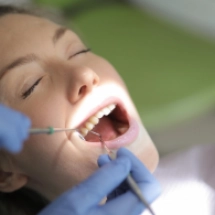
This guide provides a comprehensive overview of porcelain veneers and the procedure.
Covered below:
- What are porcelain veneers?
- Approximate price range
- Why should or shouldn’t you consider porcelain veneers?
- Types of veneers
- Details of the procedure
What Exactly Are Porcelain Veneers?
Veneers, in general, are used extensively in cosmetic dentistry. They are small tooth-coloured chips that are bonded to the front surface of your teeth to either improve the colour or alignment. They can be made of resin or porcelain, with the latter more common in practice.
Getting veneers is a minimally invasive, relatively quick procedure that can be completed in 2-3 sittings.
What Are The Benefits of Veneers? Why Should You Consider Getting Them?
Veneers can address a range of superficial and aesthetic concerns, such as chipped or broken teeth, discolouration, misalignment, gaps between teeth, etc.
They are also extremely useful in giving you a brighter and more symmetrical smile
Veneers are meant to be permanent, so your dentist will take great care to ensure you get the specifications that are best for your teeth.
What are the benefits of dental veneers?
- Fixing pointed or jagged teeth
- Filling in imperfections of broken teeth
- Concealing chips or dents on the tooth’s surface
- Fixing discoloured spots or stains
- Rectify uneven tooth size
- Brighten the smile
Veneers can help you get an improved and confident smile – they are a useful investment with long-lasting returns on dental treatments.
How much do veneers cost?
Types of teeth veneers
There are primarily two kinds of veneers: porcelain-based and composite veneers.
There are some key differences between the two:
Porcelain veneers: These are wafer-thin, stain-resistant, and give complete coverage. The application process does not require the dentist to remove any enamel from either side of the tooth to cap the porcelain chip. Since the chip is ultra-thin, it can be attached to the tooth without modifying the sensitive tooth tissue.
The veneer is completely opaque, so it can be prepared in a shade customised to give the patient the best smile possible.
Resin-based composite veneers: These chips are similar to the porcelain kind but do not have the same level of durability. They are more prone to staining and chipping over time.
Benefits of Porcelain Veneers (Lumineers):
- Can be attached without removing the tooth enamel
- Stain-resistant
- Highly opaque
- More customisable
- Generally last around 20 years
- Less likely to chip or break
- More natural-looking finish
- Ideal for covering up discolourations and spots
For more information, see our comparison of porcelain and traditional veneers here.
How Does The Dure Work?
As mentioned earlier, the whole procedure requires two to three sittings, from the consultation to the end.
Consultation sitting
At your first consultation, your dentist and cosmetologist will conduct a full inspection of your dental specifications and discuss your desired result. Your dentist will then take impressions of your teeth and help you select the ideal type of veneers (Lumineers).
There are various faVarious factors needed when choosing your veneers:
- Size of the teeth and jaws
- The shape of the face
- Colour of the teeth
- Marks or blemishes, if any
- Chips or dents in the teeth
- Dental history
Additional factors that you must let your dentist know about are decisions that can modify your appearance, for example, if you’re planning to get lip or cheek fillers. These can change the shape and tone of your face, and affect your choice of teeth veneers.
Once you've chosen, the impressions are sent to a specialised dental laboratory to custom-make the porcelain chips for your teeth. Each client receives a tailor-made set of veneers to ensure that they are a perfect match for you.
Second sitting – Application
Once the porcelain veneers are prepared at the lab, the client can return to the clinic for the application process. The fitting is non-invasive and does not require local anaesthetic.
The dentist will prep your teeth for the veneers and then permanently bond them. It is quick and pain-free.
Third sitting – follow-up
This is an optional visit to the dentist 7-10 days after the Lumineers are fitted. This ensures the veneers are securely bonded and that you have no discomfort. Within a few days after the procedure, you should be able to return to your normal eating and drinking habits. Since any procedure involving teeth is a delicate matter, your dentist will give you a set of precautions and instructions to take the best care possible of your teeth.
Get in Touch
Don’t wait for symptoms to worsen. Book your consultation today and take the first step towards better health.

Call Us: +44 1536 206900
Email Us: info@naturalsmiles.co.uk





© 2026 Natural Smiles Corby | All Rights Reserved | Privacy Policy | Digital Marketing by Remedo