



Signs Your Dental Implant Is Healing Properly!
Having a dental implant placed is a significant step toward restoring your smile. Once, it’s completely natural to find yourself paying attention to how things feel in the days and weeks that follow. Most patients at Natural Smiles tell us the same thing: they know roughly what to expect immediately after the procedure, but they’re less sure about what normal healing looks like as the weeks progress. What should be happening? What’s a good sign? And when should something prompt a call to the clinic?
This guide walks you through exactly what proper healing looks and feels like at each stage, so you can feel confident about how your implant is progressing rather than second-guessing every sensation.
Understanding What Healing Actually Involves
Before getting into the steps, it helps to understand what your body is actually doing after the implant is placed.
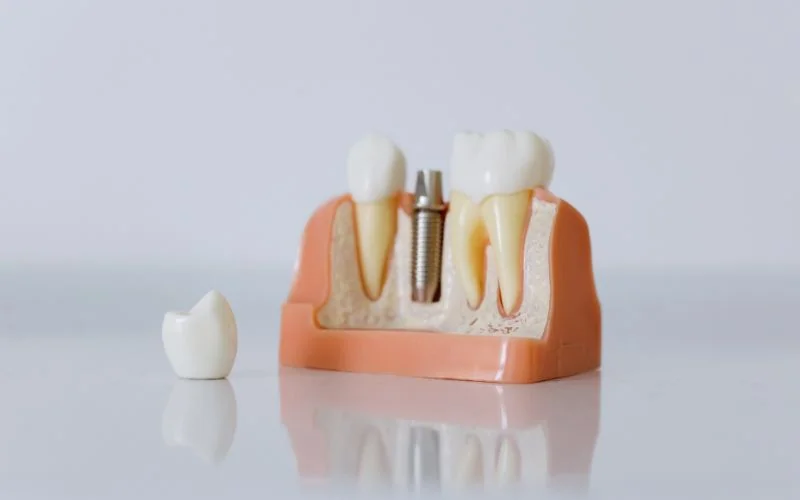
A dental implant is a small titanium post that’s been positioned into the jawbone. The healing process that follows is called osseointegration, which is the gradual fusing of the bone around the implant post. This is what gives it exceptional stability and makes it function much like a natural tooth root. It’s not a quick process. Osseointegration typically takes anywhere from three to six months, and a lot happens beneath the surface even when things feel relatively settled on the outside.
Understanding this timeline helps set realistic expectations. Healing from a dental implant isn’t like recovering from a simple extraction. It’s a longer, more gradual process, and the signs of good healing are spread out over months rather than concentrated in the first few days.
The First Few Days: What Good Early Healing Looks Like
The first seventy-two hours after implant placement are the most intense in terms of how things feel, and certain things during this period are not just normal but actually signs that healing is underway.
Some swelling around the implant site and the surrounding cheek area is expected and perfectly normal in the first two to three days. It often peaks around the second day before starting to settle. Applying a cold compress to the outside of your cheek in twenty-minute intervals during the first day helps manage this, and the team will advise you on it before you leave the clinic.
Mild to moderate discomfort during the first few days is also normal. Over-the-counter pain relief, taken as directed, should be sufficient to keep this manageable for most patients. If your dentist has prescribed specific medication, follow their instructions. Minor bleeding or oozing from the implant site in the first twenty-four hours is normal. A small amount of pink-tinged saliva is not cause for concern. What you want to see by the end of that first day is the bleeding settling down significantly rather than continuing heavily.
A blood clot forming at the implant site is a very positive sign during this initial period. That clot is an important part of the healing process, protecting the underlying area as tissue begins to repair. Keeping it undisturbed by avoiding vigorous rinsing, smoking, or using a straw during the first day or two is important.
The First Two Weeks: Settling Into Healing
As the initial swelling and discomfort subside, usually within the first week, healing shifts into a quieter phase that’s less about managing acute symptoms and more about the gradual tissue repair happening around the implant site.
By the end of the first week, swelling should be noticeably reduced, and any significant discomfort should be easing considerably. The gum tissue around the implant site will begin to close over, and the area should start to look and feel more settled. Some residual tenderness when touching the area directly is still normal at this stage, but it should be a far cry from the first few days.
A healthy pink colour to the gum tissue surrounding the implant is a reassuring sign. The gums should look consistent with the tissue around your other teeth rather than appearing red, inflamed, or angry-looking beyond what’s expected in the very early days.
By the two-week mark, most patients are eating more comfortably, though sticking to softer foods and avoiding anything that requires significant chewing pressure on the implant site is still the right approach at this stage. We will give you specific guidance on when to reintroduce different foods based on how your healing is progressing.
The Weeks and Months That Follow: Osseointegration in Progress
Once the initial healing phase is complete, the longer and less perceptible process of osseointegration takes over. This is where patience really matters, because what’s happening is largely invisible and unfelt. That absence of symptoms is itself a positive sign.
A well-healing implant during this phase should feel stable rather than loose. While the implant won’t feel identical to a natural tooth, it should feel firmly anchored rather than shifting in any direction. If you notice any movement, mention it promptly.
You should be able to resume a relatively normal diet, with some ongoing care around very hard or crunchy foods near the implant site, and day-to-day life should feel largely unaffected by the implant’s presence. The area shouldn’t be a source of ongoing discomfort or sensitivity once the early healing phase has passed.
At follow-up appointments during this period, your implant dentist will check the implant site and may take X-rays to assess how osseointegration is progressing beneath the surface. These check-ins are an important part of the process and give the team at Natural Smiles the full picture of how things are advancing.
Signs That Healing Is Going Well
To bring it all together clearly, here are signs that indicate healing is progressing as it should at each stage.
In the first few days, manageable swelling and discomfort that respond to pain relief, minor bleeding that settles within the first twenty-four hours, and a blood clot forming and remaining at the site are all positive indicators.
In the first two weeks, noticeably reduced swelling and discomfort, swelling around the site, and increasing comfort with eating softer foods all point to good progress.
In the months that follow, a stable, firmly anchored implant, no ongoing discomfort or sensitivity at the site, and positive findings at your follow-up appointments all signal that osseointegration is progressing well.
Healing Well Starts With the Right Support
Knowing what to look for during implant healing takes a lot of the uncertainty out of the process, and most patients find that once they understand what’s normal at each stage, the whole experience feels far more manageable. Proper healing takes time, and trusting that process while staying in touch with your dental team is the best approach.
At Natural Smiles, we’re with you every step of the way from the moment your implant is placed right through to the final restoration. If anything about your healing raises a question or concern between appointments, please do get in touch. We would far rather hear from you early than have you sit at home wondering.
Frequently Asked Questions About Dental Implant Healing
Q: How long does it take for a dental implant to fully hto heal? Soft tissue around the implant heals relatively quickly, usually within a couple of weeks. The deeper process of osseointegration, where the bone fuses to the implant post, takes considerably longer, typically three to six months. Your implant dentist will confirm when healing is complete and when it’s appropriate to move on to the next stage of treatment.
Q: Is it normal for the implant area to feel a bit uncomfortable weeks after the procedure?
A: Mild occasional sensitivity in the weeks after placement can be normal, particularly if the area is disturbed during eating or cleaning. Ongoing significant discomfort that doesn’t seem to be improving is worth mentioning to your implant dentist at Natural Smiles, as it’s not something to push through.
A: You can brush the rest of your teeth normally, but the implant site itself needs a gentler approach during the early healing phase. Your implant dentist will give you specific guidance on how to keep the area clean without disturbing the healing tissue. Keeping the surrounding teeth and gums clean is actually important for implant healing, so don’t neglect the rest of your mouth while being careful around the site.
Q: What does a failing implant feel like compared to normal healing discomfort?
A: Normal healing discomfort gradually improves over time. Signs that something might not be right include pain that gets worse rather than improves after the first few days, visible movement or looseness in the implant, persistent swelling or redness beyond the initial healing period, or an unpleasant taste or discharge from the site. Any of these warrant a prompt call to Natural Smiles rather than a wait-and-see approach.
Q: When can I eat normally again after having an implant placed?
A: Most patients can return to a fairly normal diet within a few weeks, though it’s sensible to avoid very hard, crunchy, or chewy foods near the implant site until osseointegration is well underway. Your implant dentist will give you personalised guidance on this based on how your healing is progressing at each follow-up visit.
Get in Touch
Don’t wait for symptoms to worsen. Book your consultation today and take the first step towards better health.

Call Us: +44 1536 206900
Email Us: info@naturalsmiles.co.uk





© 2026 Natural Smiles Corby | All Rights Reserved | Privacy Policy | Digital Marketing by Remedo