



Tooth Extraction Aftercare: Pain, Food and Healing
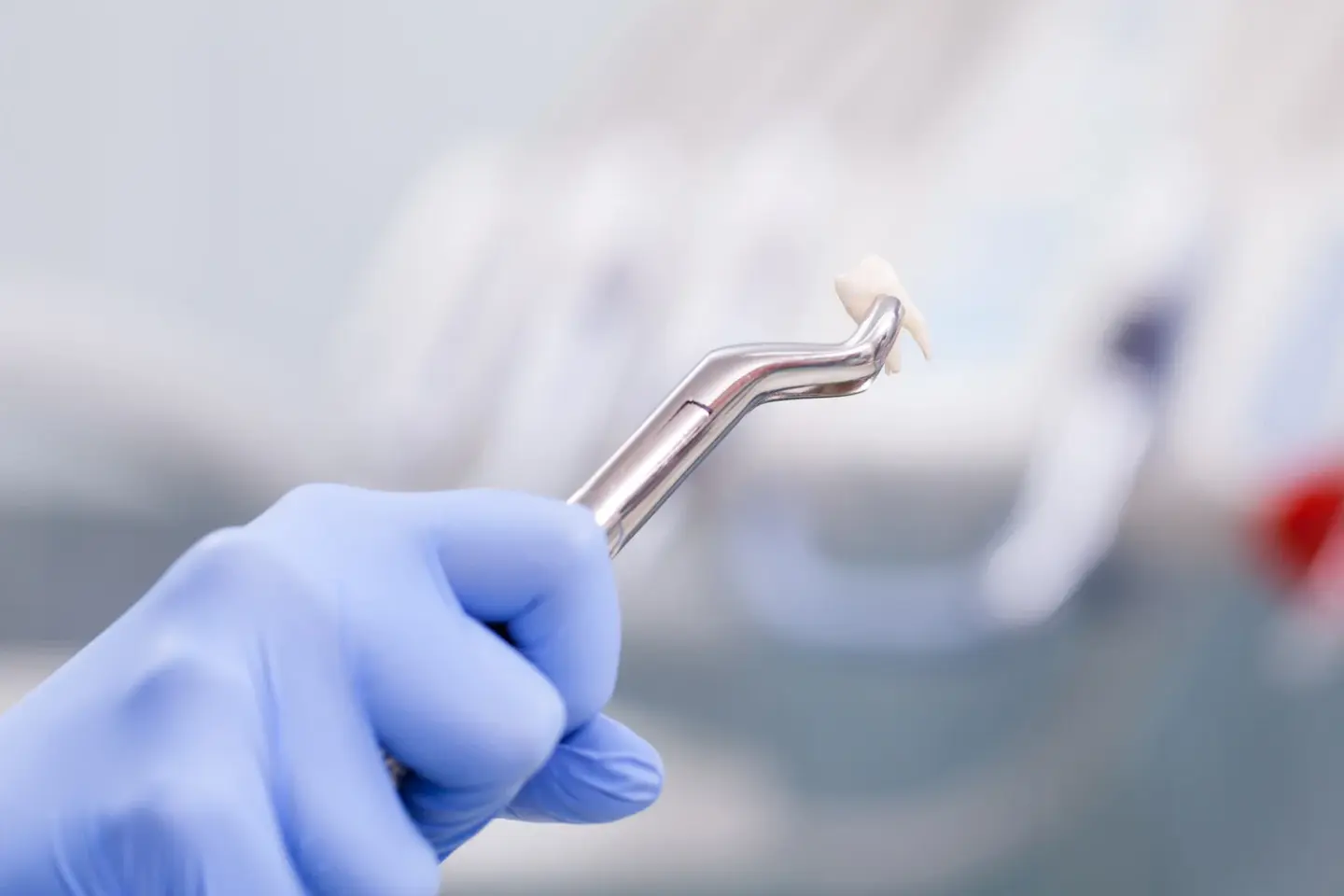
The first day after a tooth extraction matters more than any other. A blood clot forms in the empty socket and acts as a natural bandage while the area heals, so most aftercare comes down to protecting that clot. Keep the area clean, stay gentle, eat soft food and rest, and healing usually goes smoothly.
Here is a practical guide to what to expect, from the first hour to the first fortnight. It is written for adults having a routine extraction, and your own dentist's instructions always come first if they differ.
What should you do straight after a tooth extraction?
When the numbness wears off, the socket may ooze a little. Pinkish saliva for a few days is normal. If it bleeds more heavily, rinse gently, fold a piece of clean gauze or a clean cotton handkerchief into a pad and bite down firmly on it over the socket for around 30 minutes. If it is still bleeding after an hour of firm pressure, contact your dentist.
For the first 24 hours, aim to:
- Avoid rinsing, spitting or poking the area with your tongue or fingers
- Skip strenuous exercise, which can raise blood pressure and restart bleeding
- Rest with your head slightly raised
- Take care not to bite your lip, cheek or tongue while they are numb
How long does pain last after a tooth extraction?
Some soreness is expected, and it is usually at its worst for the first couple of days. Pain and swelling can build for about three days after an extraction, then start to settle, and that mild discomfort and puffiness may linger for a week or two, longer after more complicated surgery.
Over the counter painkillers such as paracetamol or ibuprofen are what most people use, taken exactly as directed on the pack. Avoid anything containing aspirin straight after an extraction, as it can encourage bleeding. Never take more than the recommended dose because it does not work faster and can be dangerous. A cold pack held against the outside of your cheek, 20 minutes on and 20 minutes off, helps with swelling.
If your discomfort feels out of proportion, our guide to easing toothache has comfort measures that help in the short term.
What can you eat after a tooth extraction?
Eating does not have to stop, but the menu changes for a few days. Soft foods that need little chewing are best: scrambled eggs, mashed potato, soup, pasta, yoghurt and porridge are all good options. Chew on the side away from the socket.
Avoid for the first few days:
- Hard, crunchy or sticky foods such as crisps, nuts, toast crusts and toffee
- Very spicy foods that irritate the area
- Anything very hot while you are still numb, since you will not feel a burn
- Small seeds or grains that can lodge in the socket
As the socket settles, you can slowly bring back your normal diet, listening to your own comfort.
Can you drink coffee after a tooth extraction?
It is one of the questions we hear most. Wait until the numbness has fully gone, then choose something lukewarm instead of piping hot for the first day, since heat can encourage bleeding. Sipping gently is better than gulping. Many people find it easiest to leave coffee for a day, but it varies, so ask your dentist what suits your case.
Alcohol is best avoided in the early days, particularly if you are taking painkillers. Avoid sucking hard through a straw, as the suction can disturb the clot.
How do you keep your mouth clean after an extraction?
Cleaning matters because food and bacteria in the socket slow healing. After the first 24 hours, gentle warm salt water rinses are a good habit, especially after meals. Let the water drift around your mouth rather than swishing hard. Keep brushing your other teeth as normal, taking care to keep the brush away from the socket for the first few days and moving closer as it heals.
Smoking slows healing and can cause pain, so leave it for as long as you can after an extraction. Your dentist can advise on how long in your case.
What is dry socket and how do you avoid it?
Dry socket happens when the blood clot is lost or dissolves before the socket has healed. It exposes the bone underneath and can cause a deep, throbbing pain that often starts a few days after the extraction, sometimes with a bad taste or bad breath. It is not common, but it is the reason we ask you to leave the area alone.
To lower the risk: avoid rinsing hard or spitting in the first 24 hours, avoid smoking, skip straws, and keep the area clean as advised. If pain gets worse after the third day instead of better, contact your dentist.
When should you contact your dentist?
A little swelling and soreness are part of normal healing. Get in touch promptly if you notice:
- Bleeding that does not stop after an hour of firm pressure
- Severe pain that is getting worse instead of easing
- Swelling that keeps growing after the first few days
- A high temperature, pus or a foul taste, which can mean infection. Our guide to dental abscess symptoms explains the signs
- Difficulty swallowing or breathing. Call 999 or go to A&E in this situation, do not wait for an appointment
What comes after an extraction?
Once the socket has healed, it is worth thinking about the gap. A missing tooth can let neighbouring teeth drift, which is how gaps between teeth can form, and it can make chewing harder. A dental implant is a long lasting way to replace it, and what dental implants are and how they work explains the process. If bone has thinned, a bone graft may be discussed first. Our implant dentistry page has more, and dental bridge costs in the UK outlines another route.
If the extraction was for a tooth that had been loosening, you may also find loose tooth in adults useful. And if a back tooth was the problem, see our guide to a sideways wisdom tooth.
Need advice after an extraction?
If something does not feel right, there is no need to wait and wonder. Contact the Natural Smiles team and we will talk through what you are experiencing.
FAQs about tooth extraction aftercare
Q. How long does a tooth extraction take to heal?
The first few days bring the most discomfort. The surface of the socket often starts to close in about a week, though the gum and bone underneath take longer to fully settle. Dissolving stitches, if used, disappear over a few weeks.
Q. Can I brush my teeth after an extraction?
Yes. Brush your other teeth as usual and keep the brush away from the socket at first, moving closer day by day as it feels comfortable.
Q. Is it normal to have a bad taste after an extraction?
A slight taste from the healing socket can happen. A strong bad taste with worsening pain or swelling is not normal and needs a call to your dentist.
Q. When can I exercise again? Avoid strenuous exercise for the first 24 hours. After that, build up gently and stop if you notice throbbing or bleeding.
Q. What if the stitches come out early?
If a stitch loosens, do not pull it. Contact your dentist, who can tell you if it needs attention.
Get in Touch
Don’t wait for symptoms to worsen. Book your consultation today and take the first step towards better health.

Call Us: +44 1536 206900
Email Us: info@naturalsmiles.co.uk





© 2026 Natural Smiles Corby | All Rights Reserved | Privacy Policy | Digital Marketing by Remedo