



What Is Preventive Dentistry and Why Does It Matter?
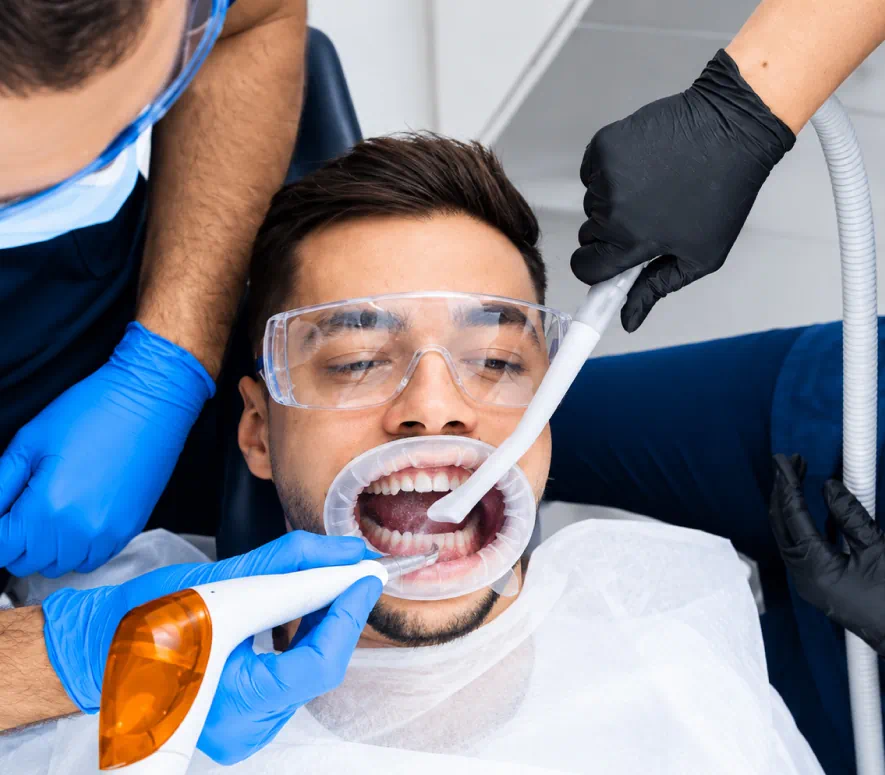
Most of us grew up thinking of the dentist as the place you go when something has already gone wrong. A toothache, a chipped tooth, a filling that finally gives out. Preventive dentistry flips that idea on its head. Instead of waiting for a problem to announce itself, it's about catching the small stuff early, sometimes before it even becomes a problem at all. If you've been searching for preventive dentistry near Corby, it's worth understanding what actually falls under that label and why sticking with it tends to pay off over the years rather than overnight. Below is a rundown of what preventive dentistry covers, the main pieces that make it up, and why so many dentists keep circling back to it as the foundation of good oral health.
What Does Preventive Dentistry Actually Involve
At its core, preventive dentistry is a mix of routine care aimed at keeping teeth and gums healthy before problems get a foothold. Think regular checkups, professional cleanings, dental X-rays, and honest guidance on things like brushing and flossing technique. It's less a single treatment and more an ongoing habit, one built around noticing small changes early, whether that's the very start of a cavity, early gum inflammation, or wear patterns that hint at grinding during sleep.
For anyone looking into preventive dentistry near Corby, it usually starts with a proper exam that gives your dentist a clear read on where things currently stand. From there, a plan gets built around your specific needs, since preventive care tends to work best when it's tailored to the person rather than handed out as a generic routine.
Why Do Regular Checkups Matter So Much
Checkups are really the backbone of preventive dentistry, and it's easy to underestimate just how much they do. During a visit, your dentist is looking for early signs of decay, gum disease, and other issues that are usually far easier to manage when caught early rather than left to run their course. Here's the tricky part, though. Many dental problems don't actually hurt in their early stages, which means waiting for pain as your cue to book an appointment often means the issue has already grown by the time you notice it.
Checkups also let your dentist compare notes over time, tracking your teeth and gums against previous visits to spot anything that looks off. That kind of ongoing comparison is hard to do on your own at home, which is part of why preventive dentistry near Corby tends to centre around consistent visits rather than the occasional one when something feels wrong.
How Do Scaling and Polishing Support Long-Term Oral Health
Even with a decent brushing and flossing routine at home, plaque and tartar have a way of building up in spots that are genuinely tricky to reach. This is where scaling and polishing come in. It's a routine hygiene treatment carried out by a dentist or dental hygienist to clear away buildup that a toothbrush simply cannot manage on its own. Scaling deals with the hardened tartar along and beneath the gum line, while polishing smooths the tooth surface afterwards, which tends to leave the mouth feeling noticeably fresher and can help lower the risk of gum disease.
Left alone, plaque hardens into tartar, and once that happens, a toothbrush isn't going to cut it. A dental hygienist needs to take care of that properly. Scaling and polishing appointments also give the team a closer look at your gums, sometimes catching early signs of inflammation before they turn into something more noticeable. It's one of the more straightforward parts of preventive dentistry, but it does a lot of quiet work in the background, supporting everything from gum health to how long your natural teeth actually last.
What Role Do Dental X-rays Play in Preventive Care
X-rays let a dentist see what's happening beneath the surface, between teeth and below the gum line, areas a visual exam alone just cannot reach. This can reveal early decay, changes in the bone, or issues with tooth roots that would otherwise stay hidden until they became a bigger deal.
How often you'll need X-rays depends on things like your dental history and your overall risk of decay, so it really does vary from person to person. Your dentist can walk you through what makes sense for your situation specifically, since the goal is always to gather useful information without reaching for more imaging than is actually needed.
How Can You Support Preventive Dentistry at Home
Professional care matters, no question, but what you do at home between visits carries real weight too. Brushing twice a day with a fluoride toothpaste, flossing regularly, and being mindful of sugary or acidic foods and drinks all add up. Small, consistent habits tend to outperform the occasional burst of extra effort, and that's true here as much as anywhere else.
Your dentist or hygienist can also offer advice tailored to how you actually brush and floss, whether that's tweaking your technique, pointing you toward certain products, or flagging an area that needs a little extra attention. This kind of personalised feedback often gets overlooked, but it matters, since generic advice doesn't always account for how differently people's mouths hold up over time.
Book a Preventive Dentistry Appointment at Natural Smiles
At the end of the day, preventive dentistry is about staying a step ahead rather than scrambling to catch up once something has already gone wrong, and the payoff tends to build gradually rather than show up overnight. If you've been searching for preventive dentistry near Corby and want a team that actually takes the time to explain what's going on with your teeth and gums, Natural Smiles is here for that conversation. From routine checkups and cleanings to advice tailored to your daily habits, the team at Natural Smiles focuses on keeping small issues small before they become anything more. Get in touch with Natural Smiles to book an appointment and take a proactive step toward long-term oral health.
Frequently Asked Questions About Preventive Dentistry
Q: How often should I go for a dental checkup?
A: Most dentists suggest roughly every six months, though this can shift depending on your individual oral health and risk factors. Your dentist can advise on a schedule that actually fits your situation.
Q: Is preventive dentistry only for people with healthy teeth?
A: Not really. It benefits pretty much everyone, including patients who already have fillings, crowns, or other dental work, since ongoing care helps protect that existing work as much as it protects natural teeth.
Q: What happens during a typical preventive dentistry checkup?
A: Usually an exam of your teeth and gums, sometimes backed up by X-rays, along with a chat about any concerns and some guidance on your at-home routine.
Q: Can preventive dentistry help avoid the need for fillings?
A: Catching decay early, before it spreads, can sometimes mean a smaller fix is needed compared with waiting until a cavity has grown. Regular checkups play a key role in spotting those changes while they're still small.
Q: How does scaling and polishing differ from brushing at home?
A: Scaling and polishing clear away hardened tartar and plaque from spots that are genuinely hard to reach with a toothbrush, which is something home care on its own just cannot replicate.
Q: Is preventive dentistry suitable for children as well as adults?
A: Yes, it's generally recommended across all ages, since building good habits early and catching issues before they grow tends to support healthier teeth for life.
Get in Touch
Don’t wait for symptoms to worsen. Book your consultation today and take the first step towards better health.

Call Us: +44 1536 206900
Email Us: info@naturalsmiles.co.uk





© 2026 Natural Smiles Corby | All Rights Reserved | Privacy Policy | Digital Marketing by Remedo