



Zirconia Veneers – Benefits, Procedure, Costs & more
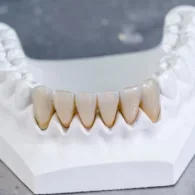
Since Californian dentist Charles Pil invented them, veneers have come a long way. In this guide to invented dental veneers, we've given you the lowdown on Zirconia veneers – a type of veneer that's gained in popularity in recent years.
We’llWe'll at
- What veneers are
- The pros and cons of zirconia veneers
- Procedure and costs of fitting zirconia veneers
- Zirconia veneers vs porcelain and Emax veneers
and more. Before we get into Zirconia veneers, let’s look at them.
What Are Veneers?
Did you know that 71% of Brits are not confident about smiling for a photo? Discolored teeth seem to be the main culprit. So if you have chipped, uneven, stained, or discolored teeth, veneers could be perfect for you.
Veneers are thin covers for your teeth. Think of them as clip-on nails or false nails but for teeth. Veneers are usually made of porcelain or composite bonding material, and they are attached to the front surface of your teeth using dental bonding cement to create a more symmetrical or aesthetically pleasing look.
The most common types of veneers include
- Porcelain veneers
- Composite veneers
- Removable or snap-on veneers
What Is Zirconia?
Two terms to understand here. Zirconium and Zirconia. Zirconium (Zr) is a METAL. It’s strong and quite similar to titanium in its physical and chemical properties. Titanium, on the other hand, is a CERAMIC. Also known as zirconium dioxide (ZrO₂), it forms when oxygen and zirconium combine in stabilized forms.
Are Zirconia Veneers Good?
A resounding YES! Why?
- Their strength is unrivaled: Zirconia has been rightly termed “unrivaled,” as it’s the strongest ceramic material around. 10 times stronger than your tooth enamel, in fact.
- They are durable: Zirconia veneers can last anywhere between 10 and 30 years with proper care, of course.
- They are biocompatible: Zirconia is the most biocompatible dental material around, after gold. This means zirconia will not react to any chemicals in your mouth. Due to the lack of metal substructures, Zirconia Because theyntheyn'tllergies, such as gingival recession, swelling, bleeding, et porcelain veneers could cause at timesor other reactionsat Are The Other Pros ofcan sometimesonia V
- They are as natural as it gets and blend in well with the rest of your teeth.
- Better stain resistance: Can resist stains caused by tea, coffee, and even nicotine.
- Fatigue resistance: They don’t chip easily.
- Withstand chewing: They canthey can resist strong chewing and grinding.
- Zirconia veneers are lighter than other veneers with metal support: They don’t have that weird metallic taste in your mouth.
- Smooth exterior: This means low to no abrasion of your surrounding teeth and gums.
- Unparalleled comfort: They are so comfortable that you won’t know they are there.
What Are The Cons of Zirconia Veneers?
- Not an easy procedure: Fitting zirconia veneers takes a high level of experience, as it differs from the fitting procedures of other dental veneers.
- Longer procedure time: Dentists must follow a special protocol for fit musters that usually takes longer than other veneer-fitting procedures.
- Longer tooth preparation time: It takes a longer time to prepare your tooth enamel before our cosmetic dentist can fit the zirconia veneers.
- Hard to adjust. Once your veneers are fitted, adjusting them is not easy.
- Since the procedure requires high precision and expertise, zirconia veneers are pricier than other types of veneers.
What Is The Procedure For Zirconia Veneers?
At Natural Smiles, we follow the below procedure.
1. Preliminary Appointment
Our procedure below includes a complete checkup of your dental cavity, including X-rays, to assess whether you have any gum disease, tooth decay, or other dental issues. That’ll help us determine whether veneers are the right option for you, discuss your preferences, and plan your smile using our Digital Smile Design software.
2. Tooth Enamel Preparation
The next step is removing a thin layer of enamel (around 0.3mm).
This is to:
- Make and fix the veneer onto your tooth smoothly
- Ensure your bite is not obstructed
Not to worry, though. You won’t have any pain, but just as a precaution, we might give you a local anesthetic.
3. Teeth Impression
After this, we take an impression of your teeth using a putty mould and determine your natural tooth shade. We then send these to our lab, where our technicians will craft a bespoke veneer just for you. We will fit temporary veneers onto your teeth in the meanwhile.
4. Permanent Ve
After removing your temporary veneers, we will place your brand-new veneers on your teeth and make any final tweaks to the fit, shape, color, etc., if required. Once you’re happy with the color, look, and feel of your veneers, we will proceed to clean your teeth deeply.
Next, we’llwe'll your veneers tto your teeth with dental cement and “cure" the" using UV light to harden the adhesive. Finally, we’ll clean off any excess dental cement and ensure the veneers fit well and your bite is perfect.
How Much is Zirconia vs Cost?
The price of fitting a zirconia veneer can range between £675 and £1200. Veneers from Emax Veneers Emaxtoneer.s
When comparing zirconia, porcelain and Emax veneers, each material has its own advantages. Zirconia veneers are known for their strength, biocompatibility, and durability, while Emax veneers are particularly valued for their translucency and natural-looking appearance.
Strength: Zirconia is generally the strongest of the three materials, making it a durable option when strength is a key consideration.
Biocompatibility: Zirconia is highly biocompatible and metal-free, making it a suitable option for many patients.
Appearance and translucency: Emax veneers offer the highest level of translucency and can provide a highly natural-looking appearance. Porcelain veneers also offer a natural aesthetic, while zirconia can be color-matched to complement your smile.
Durability: Zirconia veneers can last 20 years or more with appropriate care. Porcelain veneers typically last around 10–15 years, while Emax veneers can last up to 15 years, depending on factors such as oral hygiene, bite, and general care.
Color-matching: All three options zirconia, porcelain, and Emax- can be color-matched tooa natural tooth color
Stain resistance: Zirconia and Emax are stain-resistant, while conventional porcelain veneers may be more susceptible to staining depending on the material and surface finish.
Tooth enamel removal: The amount of tooth preparation varies by material and individual treatment plan. Zirconia veneers may require around 0.5 mm of preparation, porcelain veneers approximately 0.5 mm, while Emax veneers can require as little as 0.3 mm in suitable cases.
Veneer thickness: Zirconia and porcelain veneers are typically around 0.5 mm thick, while Emax veneers can be approximately 0.3 mm thick.
The most suitable veneer material depends on your teeth, bite, aesthetic goals, and clinical needs. Your dentist can assess these factors and recommend the option that best balances appearance, strength, and longevity for your smile.
Final Words
Zirconia veneers can be an amazing way to restore your smile and your confidence. And now that your questions, such as
- Are zirconia veneers good?
- Are zirconia veneers better than porcelain veneers?
- How long do zirconia veneers last?
are finally answered, you’re a few steps away from getting your bespoke veneers. Visit Natural Smiles or book a free consultation today.
Get in Touch
Don’t wait for symptoms to worsen. Book your consultation today and take the first step towards better health.

Call Us: +44 1536 206900
Email Us: info@naturalsmiles.co.uk





© 2026 Natural Smiles Corby | All Rights Reserved | Privacy Policy | Digital Marketing by Remedo