
Dental Emergency in Kettering
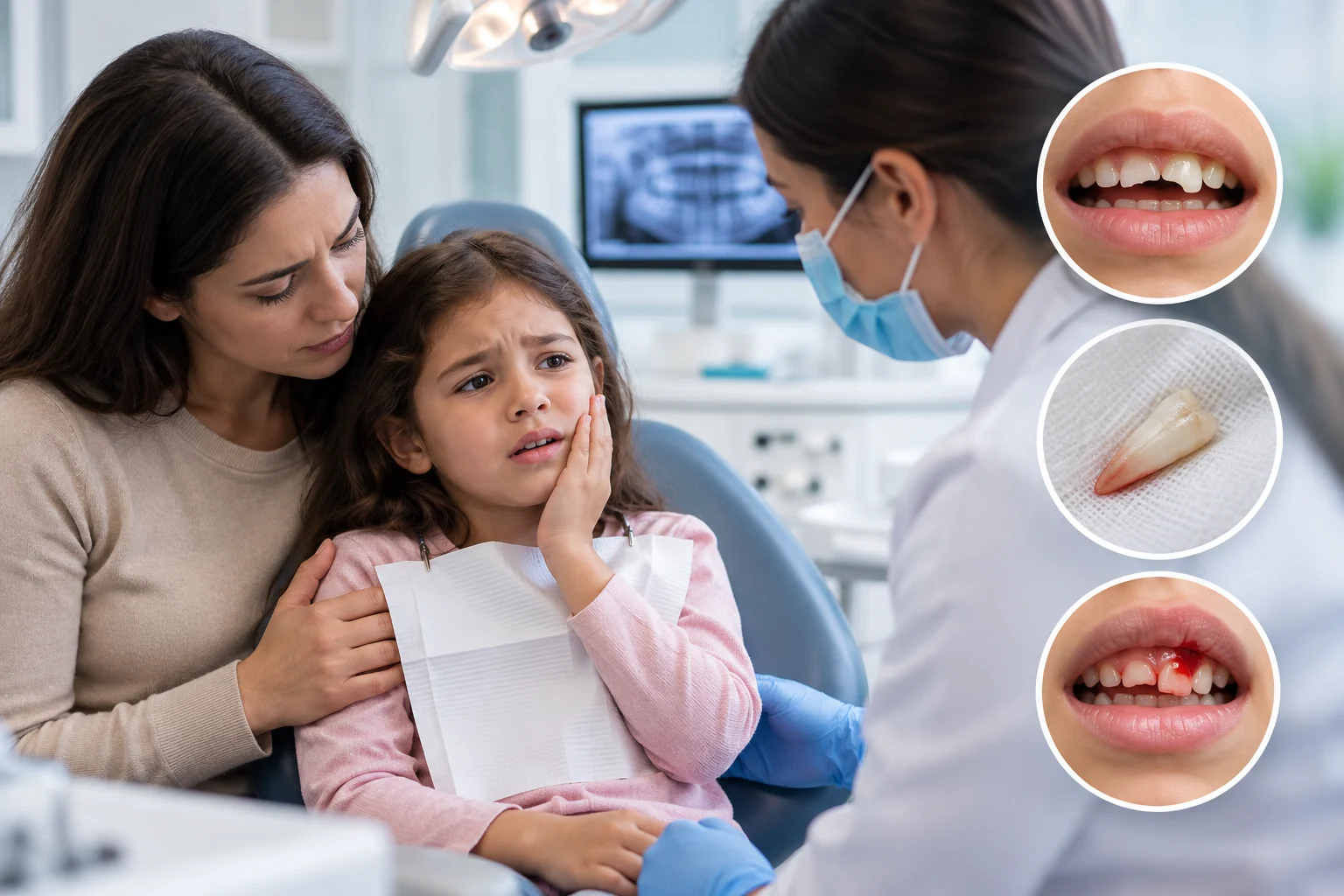
A dental emergency has a way of striking at the worst possible moment, whether it's a sudden toothache in the middle of the night or a knocked-out tooth after a fall. If you're dealing with a dental emergency in Kettering right now, the most useful thing you can do is stay calm and act quickly, since how you respond in the first hour or so can genuinely make a difference to the outcome. This page covers what generally counts as a dental emergency, what to do while you're waiting to be seen, and how to get in touch with a dentist quickly if you're facing a dental emergency in Kettering today.
What Counts as a Dental Emergency in Kettering
Not every dental issue needs to be treated as an emergency, but some situations really do call for prompt attention. A knocked-out tooth, a tooth that's been partially dislodged, or significant trauma to the mouth following an accident are all situations where getting seen matters quickly. Severe tooth pain that isn't easing with over-the-counter pain relief, a broken or fractured tooth with sharp edges causing discomfort, and swelling in the face or jaw that seems to be spreading are also worth treating urgently.
Bleeding from the gums or mouth that doesn't stop after applying gentle pressure, or a lost filling or crown that's causing ongoing pain, can also fall into this category depending on severity. If you're ever unsure whether your situation qualifies as a dental emergency in Kettering, it's generally safer to get in touch with a dental practice and describe what's happening rather than waiting it out at home.
What Should You Do Immediately After a Knocked Out Tooth
A knocked-out tooth is one of the more time-sensitive dental emergencies, and acting quickly can genuinely affect whether the tooth has a chance of being saved. Pick the tooth up by the crown, not the root, and avoid scrubbing or cleaning it with anything abrasive. If it's dirty, a brief rinse with milk or saline is generally preferred over tap water.
If possible, try gently placing the tooth back into its socket and biting down softly on some gauze or a clean cloth to hold it in place. If that isn't possible, keeping the tooth in a small container of milk, or tucked inside the cheek if the person is old enough to safely avoid swallowing it, can help keep it viable until you're seen. Either way, getting to a dentist as quickly as possible gives the best chance of a good outcome.
How Should You Manage Severe Toothache Before Seeing a Dentist
Severe tooth pain can be genuinely distressing, and while you wait to be seen, there are a few sensible steps that can help. Rinsing the mouth gently with warm salt water can help clear away any debris and soothe irritated tissue. Over-the-counter pain relief, taken according to the instructions on the packaging, can help manage discomfort in the meantime, though this is a temporary measure rather than a substitute for proper treatment.
Avoiding very hot, cold, or sugary foods and drinks can help reduce sensitivity while you wait. If swelling is present, a cold compress held gently against the outside of the cheek can also offer some relief. None of these steps replaces an actual dental assessment, but they can make the wait more manageable while you arrange to be seen.
What Happens When You Contact a Dentist for an Emergency
When you get in touch about a dental emergency, the dental team will usually ask a few questions to understand the severity of the situation, such as when the injury or pain started, whether there's visible swelling, and how much discomfort you're in. This helps them determine how quickly you need to be seen and what kind of appointment to offer.
Depending on availability and the nature of the emergency, you may be offered a same-day appointment or guided on what to do in the meantime if immediate treatment isn't possible. Being clear and specific about your symptoms when you call helps the team prioritise appropriately and prepare for your visit.
When Should You Consider A&E Instead of a Dentist
Most dental emergencies can be handled by a dental practice, but there are situations that go beyond what a dentist alone can manage. Significant facial swelling that's affecting your ability to breathe or swallow, uncontrolled bleeding, or a jaw injury that might involve a fracture are all situations where A&E or emergency medical services should be your first call rather than a dental practice. If you're ever in doubt about the severity of a situation, it's better to seek urgent medical attention and sort out the dental side of things once the immediate risk has passed.
Contact Natural Smiles for a Dental Emergency in Kettering
Dealing with a dental emergency in Kettering is stressful enough without also trying to figure out what to do on your own. Whether it's a knocked-out tooth, severe pain, or a lost crown that's causing discomfort, getting in touch quickly and following some basic first steps while you wait can make a real difference. Natural Smiles is here to help patients across Kettering get seen promptly when a dental emergency comes up, with a team that takes the time to understand what's happening before you even arrive. If you're currently dealing with a dental emergency in Kettering, contact Natural Smiles as soon as possible to arrange urgent care.
Frequently Asked Questions About Dental Emergencies in Kettering
Q: What should I do if my tooth gets knocked out?
A: Pick it up by the crown, avoid touching the root, and try placing it back in the socket if possible. If that's not an option, keep it in milk and get to a dentist as quickly as you can.
Q: Is a chipped tooth considered a dental emergency?
A: It depends on the severity. A minor chip without pain may not need immediate attention, but a break that causes pain, sharp edges, or exposes the inner tooth generally should be looked at promptly.
Q: Can I take pain relief while waiting to see an emergency dentist?
A: Over-the-counter pain relief taken according to the packaging instructions can help manage discomfort temporarily, but it doesn't replace proper dental treatment for the underlying issue.
Q: How quickly can I be seen for a dental emergency in Kettering?
A: This depends on availability and the severity of your situation, but many dental practices aim to offer same-day appointments for genuine emergencies. Calling ahead and describing your symptoms helps the team prioritise appropriately.
Q: What counts as excessive bleeding after a dental injury?
A: If bleeding from the mouth doesn't slow down after applying gentle, steady pressure with gauze for around ten minutes, it's worth seeking urgent attention rather than continuing to wait it out.
Q: Should I go to A&E or a dentist for a dental emergency?
A: Most dental emergencies, including knocked-out teeth, broken teeth, and severe pain, are best handled by a dental practice. Situations involving difficulty breathing, uncontrolled bleeding, or a suspected jaw fracture should go to A&E instead.
Get in Touch
Don’t wait for symptoms to worsen. Book your consultation today and take the first step towards better health.

Call Us: +44 1536 206900
Email Us: info@naturalsmiles.co.uk





© 2026 Natural Smiles Corby | All Rights Reserved | Privacy Policy | Digital Marketing by Remedo