



Loose Tooth as an Adult? Causes and What to Do
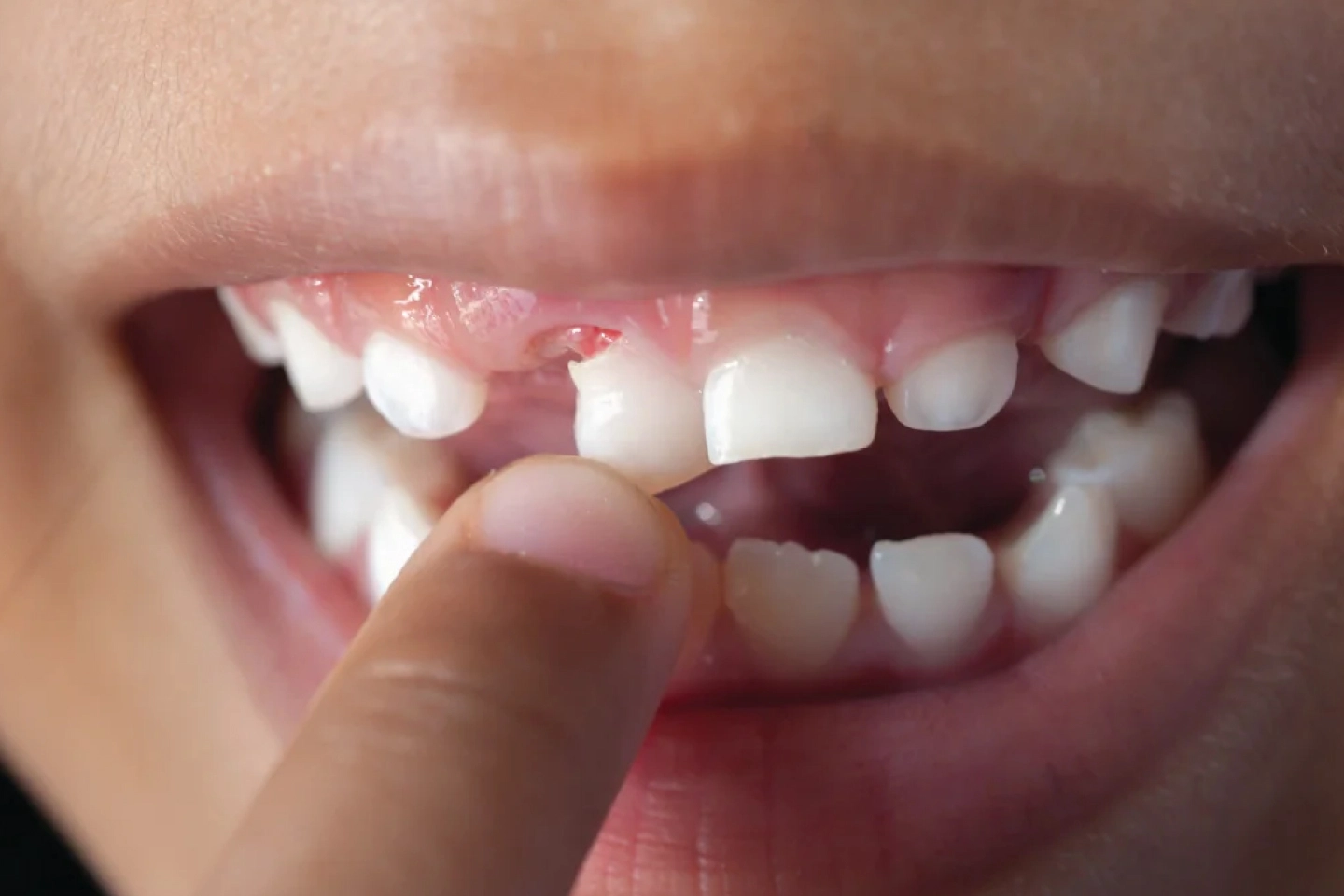
A wobbly tooth is a normal part of childhood. In an adult, it is not. A loose adult tooth is a sign that something is happening underneath, most often gum disease, an injury or heavy grinding, and the sooner it is looked at, the better your chances of keeping it.
A loose permanent tooth is never typical, and it always points to an underlying issue. Here is what that usually means, what you can do while you wait for an appointment, and what treatment looks like.
Is it normal for an adult tooth to be loose?
No. Baby teeth loosen on their own to make room for adult teeth. Adult teeth are meant to stay put for life, held in place by the bone and ligaments around the root.
When a tooth starts to move, those supporting tissues have usually been weakened or damaged. The tooth itself may look perfectly healthy, which is why a wobble can be the first thing people notice.
Why is my adult tooth loose?
There are a handful of common reasons, and a dentist can tell which one applies to you.
- Gum disease. This is the most common cause of loose teeth in adults. Bacteria in plaque and tartar build up along the gumline, the gums become inflamed, and over time the bone holding the tooth begins to break down. Our guide to preventing gum disease covers the early signs to look out for.
- Injury. A knock from sport, a fall or an accident can loosen a tooth straight away, even if nothing looks broken.
- Grinding or clenching. Constant pressure on the teeth, often at night, can strain the support around them. We cover this in more detail in our guide to teeth grinding and night guards.
- Hormonal changes. During pregnancy, hormones can temporarily loosen the tissues around the teeth. This usually settles after the baby arrives, but it is worth mentioning at your dental visits.
Sometimes there is more than one cause at once. Someone with early gum disease who also grinds their teeth, for example, can end up with a tooth that moves far more than either problem would explain alone.
How long does a loose adult tooth take to fall out?
There is no reliable timeline, and that is the problem. Some adult teeth stay loose for months and then stabilise after treatment. Others keep loosening until they come out or have to be removed. It depends entirely on what is causing the movement and how much bone support is left.
Waiting to see whether it falls out is the one approach we would not suggest. Every week a loose tooth is left alone, infection and bone loss have more time to progress, and a tooth that could have been saved early may not be saveable later.
What should you do if you have a loose tooth?
Book a dental appointment as soon as you can. In the meantime, a few simple steps can protect the tooth and keep you comfortable:
- Rinse gently with warm salt water to keep the area clean.
- Stick to softer foods and avoid biting hard, crunchy or chewy things on that side.
- Brush and floss carefully around the tooth. Cleaning matters more, not less, when gums are sore.
- Resist the urge to wiggle it with your tongue or fingers. Every push can damage the tissue further.
Be realistic about what these steps do. They will not tighten the tooth. They simply reduce the risk of things getting worse until a dentist has had a proper look.
What can a dentist do for a loose tooth?
Treatment depends on the cause, which is why we start with a thorough examination and, where needed, dental X rays to see the bone around the root.
- Treating gum disease. A professional deep clean below the gumline removes the bacteria driving the problem. In more advanced cases, further gum treatment may be needed. Once the gums settle, a loose tooth can firm up.
- Adjusting your bite. If one tooth is taking too much force, tiny adjustments can relieve the pressure.
- A night guard. For people who grind, a custom guard worn overnight protects both the loose tooth and its neighbours.
- Splinting. A loose tooth can sometimes be gently bonded to its neighbours so it has support while it recovers.
- Removal and replacement. If a tooth cannot be saved, taking it out stops pain and infection from spreading. You can read what recovery involves in our tooth extraction aftercare guide, and we would then talk through how to replace it.
Replacing a tooth that cannot be saved
Losing a tooth does not have to mean living with a gap. A dental implant replaces the root as well as the crown, so it feels and works like a natural tooth, and it helps keep the surrounding bone active. If you are curious how this works, what dental implants are and how they work is a good place to start, and who can have dental implants answers the suitability questions most people ask first.
If bone has been lost, a bone graft before implants can sometimes rebuild enough support. Where an implant is not the right fit, a bridge may be an option, and our guide to dental bridge costs in the UK explains what that involves. You can read more about all the options on our implant dentistry page.
When is a loose tooth an emergency?
Some situations should not wait for a routine slot:
- A tooth that became loose or was knocked out after an injury. Call a dentist straight away, because the sooner a damaged tooth is stabilised, the better the outlook.
- A loose tooth with swelling, a bad taste, a high temperature or pus. These can point to an infection, so read our guide to dental abscess symptoms.
- Severe pain. Our advice on easing toothache can help in the short term, but it does not replace a proper examination.
Concerned about a wobbly tooth?
A loose tooth is easier to treat the earlier it is seen. If one of your teeth has started to move, get in touch with the Natural Smiles team and we will take a careful look, explain what is going on and talk you through your options without any pressure.
FAQs about loose teeth in adults
Q. Can a loose adult tooth tighten up again?
Sometimes, yes. If the cause is treatable, such as early gum disease or a bite problem, the tooth can become firmer once that is dealt with. A thorough clean and better daily care can make a difference. It will not happen without addressing the cause.
Q. Should I pull a loose adult tooth out myself?
No. Pulling a tooth at home risks infection, heavy bleeding and damage to the bone and neighbouring teeth. Let a dentist assess it first, because many loose teeth can be saved.
Q. Does a loose tooth always mean gum disease?
Not always, but gum disease is the most common cause. Injury, grinding and hormonal changes can also loosen a tooth, and a dental examination is the only way to know which applies.
Q. Is a loose tooth painful?
It can be, but it does not have to be. Many people feel only a slight wobble when they bite or brush, which is exactly why it is easy to put off. No pain does not mean no problem.
Q. Can I still eat normally with a loose tooth?
Stay with softer foods until you have been seen, and avoid biting down directly on the tooth. Chew on the other side where you can.
Get in Touch
Don’t wait for symptoms to worsen. Book your consultation today and take the first step towards better health.

Call Us: +44 1536 206900
Email Us: info@naturalsmiles.co.uk





© 2026 Natural Smiles Corby | All Rights Reserved | Privacy Policy | Digital Marketing by Remedo